Tucson summers are relentless. On a 100-degree afternoon, a single thermostat tucked into a hallway can mistake a sun-baked south-facing living room for the whole house, cycling the compressor on and off while some bedrooms roast and others feel like a walk-in closet. Installing a zoning system changes that dynamic. It gives you control room by room, lowers wasted runtime, and produces a level of comfort that single-thermostat systems simply cannot match.
I have overseen dozens of installations in Tucson and the surrounding neighborhoods. I have been in houses where elderly residents were waking up soaked in sweat, and in homes where teenagers were stealing space heaters to compensate. Zoning does more than fine-tune temperature. It reduces fights over the thermostat, cuts energy waste in meaningful ways, and changes how a home responds to heat, sun, and daily routines.
Why zoning matters in Tucson
Tucson homes have a few recurring characteristics that make zoning especially valuable. Large windows on the west and south sides get heavy solar gain in late afternoon. Many homes have high, vaulted ceilings that trap heat in upstairs rooms. Older ductwork runs long distances through unconditioned attics or crawlspaces. That mix creates wide temperature swings across the living space.
A traditional single-thermostat system treats the home as one thermal zone. The AC runs until the thermostat senses the setpoint, which often means the cooler areas are overcooled to accommodate hot spots. Zoning separates the house into two or more independently controlled zones. Dampers inside the ductwork open or close based on thermostats in each zone, and a zone control panel orchestrates the whole system.
When installed and commissioned correctly, zoning delivers three clear outcomes. First, it balances comfort, keeping bedrooms and living spaces at different setpoints without wasting energy. Second, it reduces compressor short-cycling because the system runs longer at steady output rather than rapidly turning on and off. Third, it extends equipment life by avoiding the stress of constant hard cycling and by allowing smaller equipment to operate efficiently where a single oversized system would be necessary.
Types of zoning systems and what to choose
There are a few common ways to create multiple temperature zones. The two main approaches I call ducted zoning and ductless mini-splits.
Ducted zoning uses motorized dampers inside the existing ductwork. A control board links thermostats, dampers, and the air handler. The advantage is that you can keep your existing central AC unit and duct system. If the ducts are reasonably airtight and the air handler is capable, ducted zoning offers excellent results at a cost that is often lower than installing multiple mini-split heads.
Ductless mini-splits install individual evaporator units in the rooms you want to control, with a single outdoor compressor serving multiple heads. Mini-splits are ideal when you have no ducts, when duct retrofit would be expensive, or when you want the highest efficiency per room. They also provide the ability to heat individual rooms in winter with heat pump operation that can outperform older gas furnaces in certain scenarios.
A third option blends both approaches. Some homeowners keep a central ducted system for the main living areas and add mini-splits to problematic rooms like sunrooms, converted garages, or second-floor suites. That hybrid approach solves the worst trouble spots without overhauling the entire HVAC system.
Sizing and selection: practical rules
Zoning is a system-level change, and its success hinges on matching components. You cannot simply add dampers to undersized ductwork or expect an old 2-ton condenser to serve three independently controlled zones without consequences.
Start with a fresh load calculation for the conditioned square footage affected by zoning. In Tucson, shading, window orientation, and attic insulation levels can swing our cooling load calculations by 15 to 30 percent compared to national averages. Use Manual J methodologies or a reputable contractor who runs a proper software-based load calculation. Look for the following practical signals.
- If the existing equipment is older than 10 to 12 years, it may be worth replacing the compressor and air handler when adding zoning. Newer systems modulate better and handle partial-load conditions more efficiently. If duct leakage exceeds roughly 15 percent of system airflow, sealing and insulating ducts is a higher priority than zoning. Zoning amplifies the effect of leakage because closed dampers raise static pressure and push more air through leaks. If rooms that will form separate zones receive direct sunlight for several hours a day, plan for window treatments and perhaps dynamic shading as part of the solution. Zoning reduces the symptom, but managing solar gain is always beneficial.
A short checklist before you commit
- Have a qualified contractor perform a Manual J load calculation. Inspect and, if needed, seal and insulate ductwork. Decide whether ducted zoning, mini-splits, or a hybrid approach fits the house layout. Budget for potential air handler or compressor replacement if equipment is older.
Installation details contractors rarely advertise
Zoning is not just about dampers and thermostats. There are many small, technical decisions that determine whether the system will perform as promised.
Duct layout and damper placement: Placing dampers too close to the plenum, or using too many tight bends near dampers, creates noise and high static pressure. Dampers should be installed in runs where they can modulate flow cleanly. If your air handler lives in a cramped closet, the technician may need to reconfigure the plenum or relocate the return to avoid turbulent flow.
Bypass versus variable-speed solutions: Older zoning approaches used bypass dampers to redirect air from a closed zone back into the return. That works, but it raises system static pressure and stresses the air handler. Modern systems pair zoning with variable-speed air handlers that adjust fan output as zones open and close. Variable-speed equipment maintains airflow and reduces noise, while bypass configurations can be a quick, inexpensive fix in certain retrofit situations.
Thermostat strategy: Smart thermostats are appealing, but not https://andersoniggr223.wpsuo.com/how-to-select-a-reliable-hvac-contractor-for-commercial-properties-in-tucson every smart thermostat plays nicely with damper controls or multi-stage equipment. Use thermostats that are compatible with the zone control board and with any staged or variable-speed features of your system. In my experience, choosing convenience features over compatibility leads to callbacks.
Control logic and minimum on times: Good zone control logic prevents short cycles by enforcing minimum on and off times, and by staging zones to avoid simultaneous demand spikes. Some systems allow prioritization, so a bedroom zone can remain active overnight while less-used zones take a lower priority. That kind of logic reduces wear and optimizes comfort when household schedules vary.
Noise control and commissioning: A well-installed system should be quiet. If you hear whistling, verify damper seals, check grille sizing, and measure static pressure. Commissioning should include airflow measurements at key registers and a simple pressure test to ensure no excessive leakage. A contractor who hands you a report of airflow values and explains the rationale is doing a better job than one who simply flips switches and leaves.
How zoning affects energy use and bills
Zoning can reduce cooling costs, but the amount depends on lifestyle, home layout, and how you use the system. Expect realistic savings in the range of 10 to 30 percent when zoning replaces true overcooling of large portions of the home. If before zoning you were setting the thermostat to 72 to keep a south-facing living room tolerable while the rest of the house dropped to 68, zoning can eliminate that imbalance and cut runtime.
Two points temper the savings. First, if you create zones but then set all zones to the same temperature, you get little benefit. Zoning pays when you use different setpoints in rooms that need them. Second, if your ducts are leaky or insulation is poor, the savings will be smaller until those issues are fixed.
An anecdote that sticks with me: I installed a four-zone system for a family in Rita Ranch. Before zoning, the parents ran the thermostat low to keep the home office comfortable. Bedrooms stayed cold at night and the furnace was occasionally needed in winter to keep upstairs reasonable. After zoning, the office stayed at 72 during work hours, the bedrooms held at 76 at night, and the homeowners reported a 20 percent drop in combined summer electric bills over the first year. That family's equipment was modern and their ducts were sealed, which made the savings easier to realize.
Common pitfalls and how to avoid them
Some problems appear repeatedly during retrofit projects. Here are the ones I see most often and practical ways to avoid them.
Oversized compressors: When a contractor sees multiple zones, they sometimes recommend upsizing the outdoor unit to handle peak simultaneous loads. Oversizing reduces dehumidification and increases cycling. It's better to size equipment to the actual peak load or to install a variable-capacity unit that modulates output.
Ignoring duct sealing and insulation: Zoning multiplies the effect of duct leakage. If ducts leak into an unconditioned attic, closed dampers will raise pressure and blow more conditioned air into the attic. Invest in sealing with mastic or UL-approved tape and add R-8 or better insulation where ducts run through unconditioned spaces.
Using incompatible thermostats: Wi-Fi thermostats are popular, but they must be compatible with zone boards and multi-stage compressors. Always verify compatibility in writing before purchase. If you want remote control, insist the contractor demonstrates that both local and remote control modes interact properly with the damper logic.
Skimping on commissioning: Many installers will hook up dampers, wire the thermostats, and leave. Proper commissioning includes airflow measurements, static pressure checks, and a demonstration of system behavior under different zone load combinations. A properly commissioned system should come with a basic report and a walkthrough.
When to call professionals and what to ask
Zoning involves plumbing into the heart of your HVAC system. Amateur attempts risk damaging the air handler, creating noise issues, and voiding warranties. Call a licensed HVAC contractor with documented zoning experience. Ask for these specifics before you hire.
Provide proof of experience with similar zoning installations and references from local jobs in Tucson or comparable climates. Ask whether they will perform Manual J and Manual D calculations, whether they will measure airflow at grilles, and whether they have compatible thermostats in mind. Request a written warranty for both labor and components and a clear outline of the commissioning process.
If a contractor mentions Plunkett Home Services by name, that can be a starting point to evaluate offerings. Large local providers like Plunkett Home Services often have team members familiar with common Tucson home layouts, attic conditions, and local code nuances. Still, verify that the specific technicians assigned to your job have zoning experience.
Hybrid solutions and when they make sense
Not every house benefits from a full home zoning retrofit. Sometimes the best solution targets trouble spots rather than the entire home. For example, split-level houses often suffer second-floor overheating. Adding a 9,000 to 12,000 BTU mini-split in the upstairs loft or master bedroom can be a surgical fix that avoids costly ductwork changes.
Garage conversions and sunrooms are common candidates for mini-splits. These areas typically lack existing supply ducts or are poorly insulated. A mini-split provides a compact footprint, rapid cooling, and relatively low installation disruption.
The trade-offs are cost and aesthetics. Mini-splits require a visible wall-mounted head, and the outdoor unit adds to the exterior equipment. Ducted zoning keeps air delivery centralized and unobtrusive, but it requires good duct access and more invasive work to install dampers and runs.
Financing and ROI considerations
Many homeowners balk at the upfront cost of a zoning system. Expect a range in retrofit cost depending on complexity. Simple two-zone retrofits on compact homes can run a few thousand dollars when ducts are in good shape and equipment is modern. Larger homes or complex three- or four-zone systems, or those requiring an air handler replacement and duct upgrades, can reach into the mid five figures.
Think of zoning as an investment in comfort and equipment longevity as much as in energy savings. If you anticipate staying in the home for several years, the quality-of-life improvements and slower equipment wear often justify the expenditure. Many contractors offer financing options that spread payments over time. If reducing monthly bills is a primary goal, ask for a realistic payback analysis that reflects your current electric rates and typical thermostat behavior.
Emergency repairs and servicing after installation
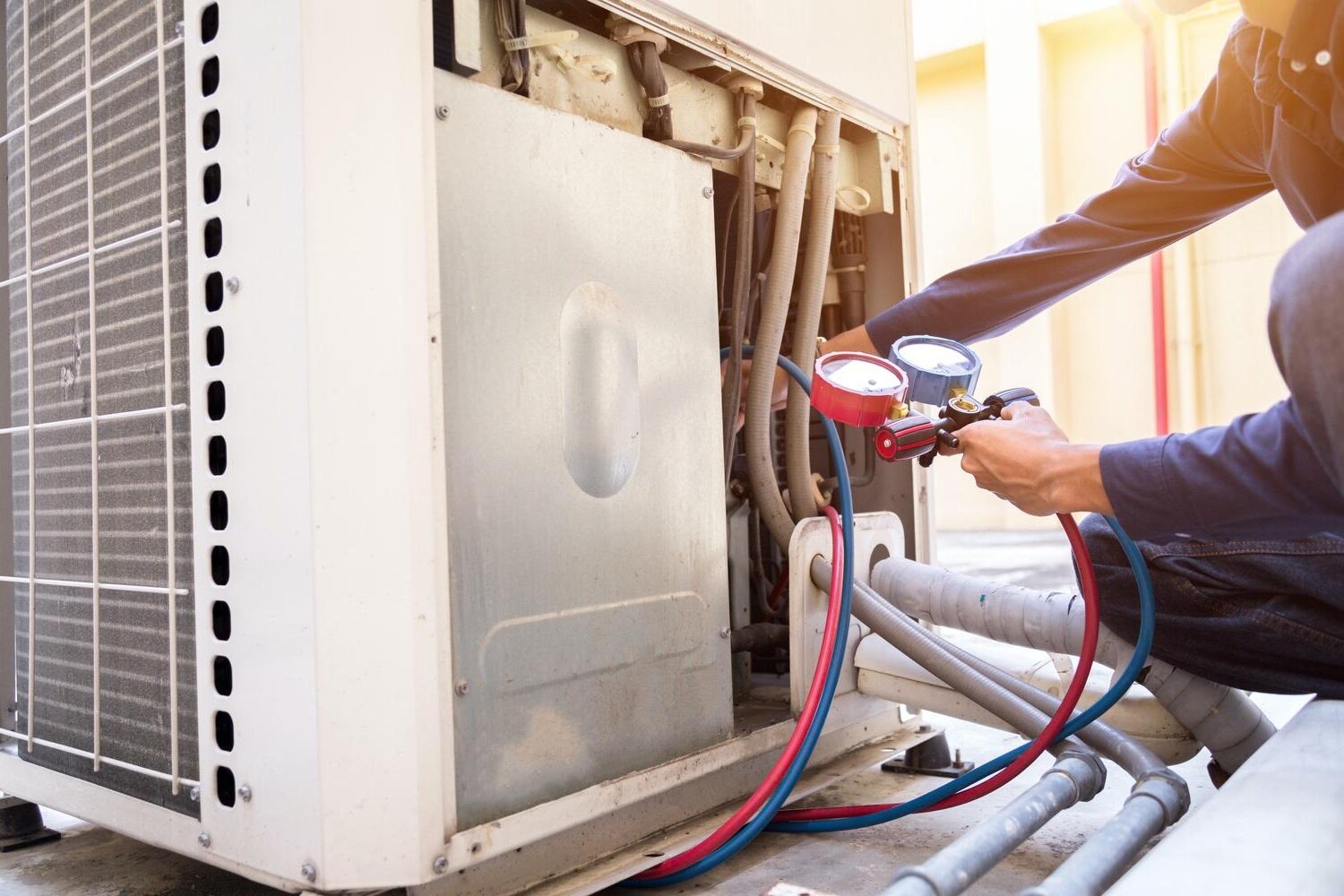
Zoning systems add moving parts - dampers and control boards - which require occasional maintenance. Periodic checks every two to three years should include damper calibration, control board verification, and airflow checks. If you ever experience sudden comfort changes or odd noises, an HVAC company near me search should return local service options. For urgent failures during peak summer days, emergency AC repair near me becomes critical, because a nonfunctioning zone can mean unbearable conditions in occupied rooms.
Establish a relationship with a trusted local HVAC contractor or service provider. If you prefer national or larger local firms, confirm that they offer timely service windows in Tucson during summer spikes and that their technicians are trained in zoning maintenance.
Final thoughts on living with zones
Once you experience a well-designed and commissioned zoning system, you notice more than just temperature. Bedrooms stay at sleep-friendly temperatures without freezing the rest of the house. Rooms used only occasionally do not consume energy continuously. You can set the office cooler during work hours and relax in a warmer living room in the evening without arguments.
Zoning is not a silver bullet. It requires proper design, attention to ductwork, and an honest appraisal of the home’s load profile. But when executed carefully, zoning delivers comfort, efficiency, and control that make Tucson summers easier to live with. If your home struggles with uneven temperatures, start with a qualified HVAC contractor who will perform the right calculations, inspect your ducts, and present options tailored to your house and habits.
If you want specific next steps, ask a few local contractors for a documented proposal that includes load calculations, duct leakage estimates, and an equipment recommendation. Compare those details rather than price alone. The long-term rewards are quieter operation, fewer thermostat battles, and a home that responds intelligently to the heat outside.
Plunkett Home Services
3144 E Fort Lowell Rd, Tucson, AZ 85716, United States
+1 (520) 808-2743
[email protected]
https://callplunkett.com/