Tucson summers are relentless. Once the thermometer climbs past 95, a functioning air conditioner stops being a luxury and becomes the backbone of daily life. If your system sputters, cycles strangely, or simply refuses to cool, knowing how AC repair works in Tucson, what it will cost, and when to call a pro will save you money, time, and sweat. This guide draws on hands-on experience in the field, years of service calls, and the practical choices homeowners face when dealing with HVAC problems in southern Arizona.
Why this matters High heat and dust mean AC systems in Tucson work harder and wear faster than in milder climates. A small problem left unattended can escalate from a $150 fix to a $3,000 replacement within a month. Understanding diagnostics, typical repair costs, and when to push for replacement equips you to get fair service and lasting results.
Common failure modes and what they feel like Air conditioners typically fail in recognizable ways. Refrigerant leaks often show up as weak airflow and longer run cycles without reaching set temperature. Electrical issues present as intermittent operation, tripping breakers, or components that click but do not start. Compressor or fan motor failures are louder and usually end with no cooling at all. Capacitors and contactors age and fail gradually; you may notice the system struggling to start, or it starts then stops after a few minutes.
A concrete example: I visited a mid-century house in mid-July where the owner reported that the AC ran constantly but the house stayed warm. Visually the system looked intact; the evaporator coil was iced, a classic sign of low refrigerant causing reduced airflow and freezing. The fix required locating a slow leak in a service valve, recharging refrigerant to manufacturer spec, and replacing a dirty cabin air filter and a worn blower belt. Total repair cost: about $420. The homeowner went from sweating in her living room to comfortable within hours, and the repair avoided a compressor burnout that could have tripled the bill.
Estimating costs in Tucson: realistic ranges Pricing depends on the problem, equipment age, and whether the technician needs to fabricate parts or recover and recharge refrigerant. Below are practical ranges you can expect in Tucson for common repairs. These are not exact quotes, but real-world ballpark figures based on multiple service calls.
- Diagnostic fee or trip charge: $75 to $150. Many companies waive this if you proceed with the repair. Capacitor replacement: $100 to $300 including part and labor. Contactor or relay: $125 to $350. Fan motor (indoor blower or outdoor condenser): $250 to $700 depending on model and ease of access. Compressor replacement: $1,200 to $2,800, often pushing towards replacement of the entire condensing unit for older assemblies. Refrigerant leak repair and recharge: $250 to $1,000. If the leak is in a coil or hard-to-access line, costs rise. Evaporator coil replacement: $800 to $2,000, depending on system compatibility. Thermostat replacement or upgrade: $100 to $400. Full system replacement including installation: $3,500 to $12,000, wide range based on capacity, SEER rating, and complexity.
Why the ranges are wide Labor and parts vary by brand and model. Older systems use R-22 refrigerant, which is phased out and much more expensive to recharge than modern R-410A systems. Accessibility matters; systems located in tight attic spaces or behind ornate brickwork take longer to service. High-efficiency units may require matched components, which increases parts cost.
When to repair and when to replace Repair for a one-off part failure on a relatively young, well-maintained system. Replace when the system is old, inefficient, or when multiple major components have failed. A practical rule: if a repair will cost more than half the price of replacing a system and the equipment is over 10 to 12 years old, replacement is often the smarter financial decision. Consider also your comfort expectations. If you're renovating or planning to stay in the house more than five years, investing in a new, higher-efficiency system can pay back through lower energy bills and fewer callouts.
Case study: replacement versus repair A condo owner called about a compressor failure. The quote to replace the compressor was roughly $2,200, while a new matched condensing unit with installation was $3,900. The existing system was 14 years old, had a noisy fan, and used R-22. Replacing the compressor was a temporary fix; the homeowner chose the new unit. Within two years their utility bills dropped noticeably, and they avoided another mid-summer emergency.
Finding and vetting HVAC companies in Tucson Search terms like HVAC company near me, HVAC repair, or HVAC contractor will populate options. Name recognition is helpful but not sufficient. Look for technicians who carry EPA certification for refrigerant handling, and ask for proof of insurance and contractor license. Read a handful of recent local reviews; pay attention to patterns, such as timeliness, transparent pricing, and post-service follow-up.
Ask targeted questions before hiring:
- Do you charge a diagnostic fee and is it waived with repair? Are parts new and OEM or aftermarket? Do they carry a warranty? Will you provide a written estimate and timeline? Are technicians background-checked and trained by the company?
Plunkett Home Services and local reputation Plunkett Home Services operates in the region and appears in searches for Emergency AC repair near me and HVAC Service Near Me. When you call any company, including Plunkett, compare their answers to the vetting questions above. Request itemized estimates and written guarantees. A reputable provider will outline the work, give a realistic timeframe, and stand behind their labor with a warranty.
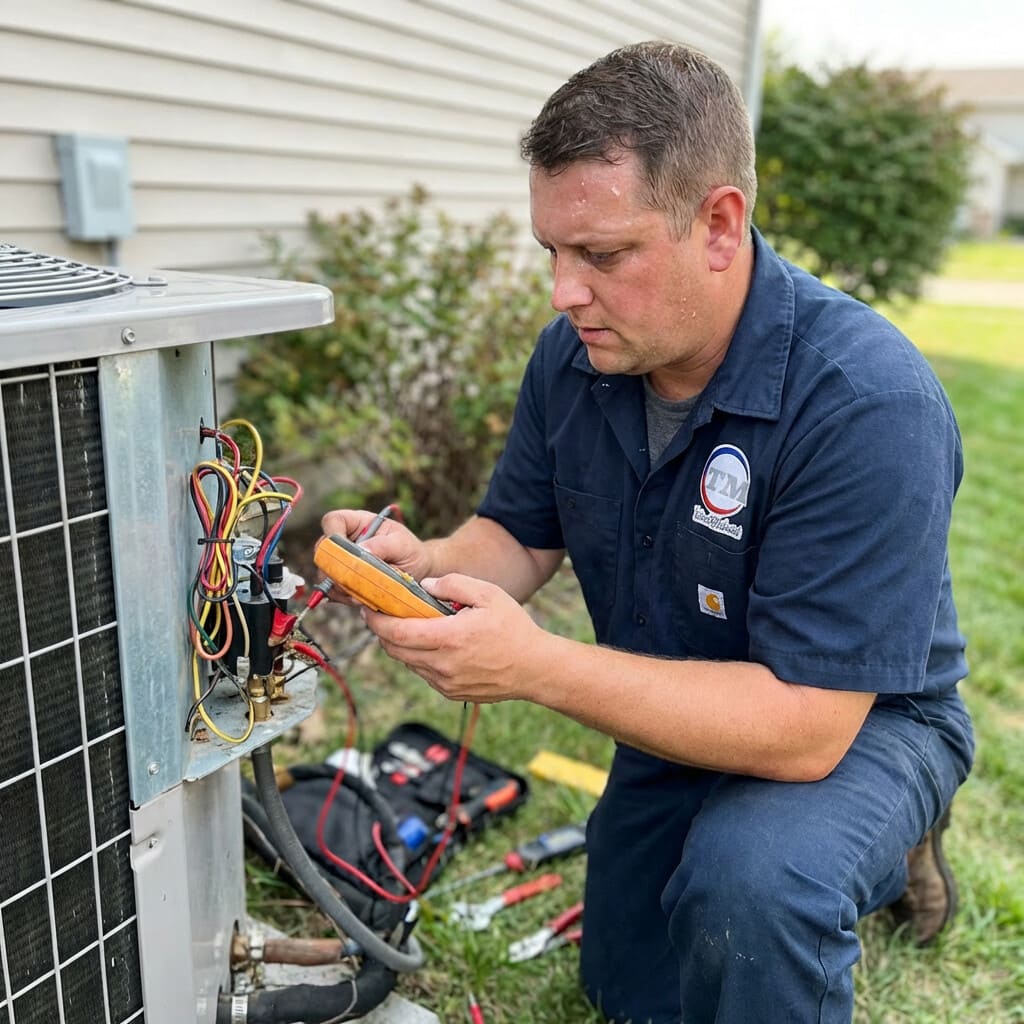
Maintenance that prevents costly repairs Maintenance is the most effective way to reduce emergency calls and extend equipment life. Seasonal tune-ups catch worn belts, failing capacitors, dirty coils, and refrigerant leaks before they become disasters. In Tucson, quarterly visual checks and biannual professional tune-ups are worth the cost because systems run more months of the year.
Short maintenance checklist to keep your system healthy:
Change filters monthly during heavy use seasons. Keep the condenser area clear, trim plants and remove debris. Clean or vacuum return vents and check for blocked supply registers. Schedule professional inspection and tune-up at least once a year, ideally in spring. Monitor and record energy use; sudden spikes can hint at failing components.Simple homeowner actions that help Filter replacement pays dividends. A clogged filter reduces airflow and forces the blower and compressor to work harder. Keep the area around the outdoor condenser free of gravel, sprinkler spray, and vegetation. Make sure registers inside the home are open and unblocked. If you have a programmable thermostat, set sensible differentials; drastic swings force longer run times and higher peak loads.
Emergency calls and what to expect Emergency AC repair near me queries spike during heat waves. A prompt technician will arrive with tools for diagnostics, common parts like capacitors and contactors, and diagnostic gauges for refrigerant checks. Expect a service call to include system inspection, performance testing, pressure readings, and a written estimate for work beyond the initial fix. Emergencies often mean higher labor charges; weigh the immediate need for cool air against cost if the issue is not completely disabling.
What to do when you call for emergency service Turn off the system if you smell burning or see visible smoke. If the unit trips the breaker repeatedly, stop trying to reset it. These are signs that further use could cause serious damage. If the system simply runs but does not cool, set a conservative thermostat and call for service early in the morning; waiting until afternoon increases response time and may raise the call rate.
Parts, warranty, and documentation Always get the make, model, and serial numbers of repaired or replaced components. Ask for the part numbers and warranty terms in writing. Typical warranties: 1 year on labor for repairs, 5 to 10 years on certain parts for new units, and sometimes 10 years for compressors on high-end systems. Manufacturer warranty often requires professional installation by a certified contractor to remain valid.
Efficiency upgrades worth considering If you are replacing a unit or planning a significant repair, consider upgrading to a higher SEER rating or installing a variable-speed blower. Variable-speed systems offer better humidity control and quieter operation. Properly sized units matter more than simply buying the highest SEER available. Oversized systems cycle frequently, which reduces dehumidification and can increase wear.
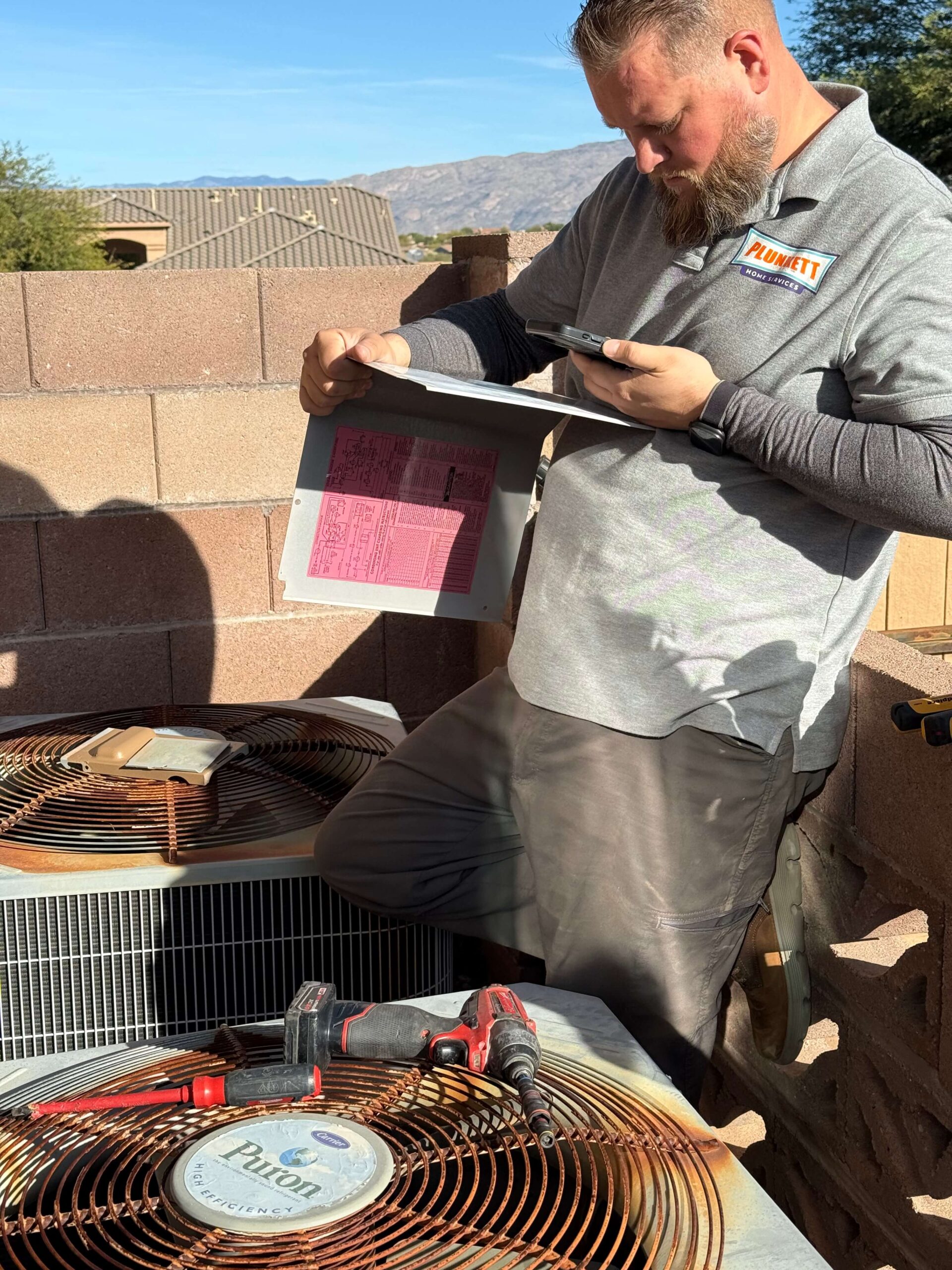

A real-world trade-off: high SEER versus upfront cost High-SEER units cost more up front but use less electricity. In Tucson, where AC runs many months each year, the energy savings can be meaningful. However, the payback period depends on usage patterns and electricity costs. If you plan to move within a few years, it can be harder to recover the full premium https://erickfyfp676.theburnward.com/how-to-spot-hidden-ac-damage-after-a-tucson-heatwave through energy savings alone. Factor in comfort and reduced repair incidence into your decision.
How to handle refrigerant issues and R-22 legacy systems R-22 has become expensive and scarce because of environmental regulations. If your system needs R-22, you will likely face high recharge costs. When leak repairs are nontrivial or the system is old, replacement with an R-410A system is often the pragmatic choice. Modern units are designed for efficiency and use refrigerants that are more widely available and less costly.
Negotiating transparent pricing Technicians sometimes offer a flat rate for certain repairs. Get that in writing and make sure it includes parts, labor, and any potential additional charges like refrigerant recharge or recovery. Ask whether the diagnostic fee is included. If multiple quotes differ significantly, ask for line-by-line comparisons. A cheaper quote with vague terms can hide costs.
Final practical checklist before letting a technician start work
- Confirm the estimate and get it in writing. Verify warranty coverage and ask for the make and model of any replacement part. Request a timeframe for the work and an explanation of any follow-up needed. Ensure the technician tests the system post-repair and shows you that it reaches the set temperature under normal load. Obtain a receipt that documents parts used, serial numbers when applicable, and a labor warranty.
When problems recur quickly, escalate If the same issue returns within weeks, do not accept "that's how it is" explanations. Recurrent failures are a sign of misdiagnosis, improper parts, or underlying system mismatches. Push for second opinions from reputable HVAC contractors. Consumer protections exist in many jurisdictions regarding workmanship and implied warranties; know your rights.
Selecting an HVAC contractor for installation or frequent repairs Prefer companies that are local, licensed, and have stable staff. Larger national chains can provide consistent service but may subcontract or rotate technicians. Smaller local contractors often provide personalized service and quicker callbacks. Ask about training, continuing education, and how the company handles warranty claims. A reliable contractor will keep clear records and help you maintain a service schedule.
A closing persuasion In Tucson, proactive maintenance and informed decisions prevent the worst AC failures during heat waves. Repairing a small issue now avoids emergency replacement costs and preserves comfort. When you call for help, use the vetting points above to get transparent pricing and dependable work. Whether you search HVAC Service Near Me, Emergency AC repair near me, or ask specifically for Plunkett Home Services, choose a contractor who documents the work, stands behind it, and communicates clearly. Your home is too hot to tolerate surprises; invest a little time to secure cool, consistent performance all summer long.
Plunkett Home Services
3144 E Fort Lowell Rd, Tucson, AZ 85716, United States
+1 (520) 808-2743
[email protected]
https://callplunkett.com/