If you're renovating in Tucson, the HVAC piece is not an afterthought. Phoenix and Tucson summers make your cooling system central to comfort, energy use, and even the envelope work contractors will do. Done well, coordinating AC work with remodels saves time, avoids rework, and prevents expensive surprises. Done poorly, you end up with mis-sized ducts buried in drywall, a brand-new air conditioner whose pad sits in the wrong place, or a system that underperforms once insulation and new windows are in. This guide lays out practical steps I use with homeowners and contractors, with concrete timing, decision points, and trade-offs to help you find the right HVAC company near me and get the work finished efficiently.
Why HVAC coordination matters in Tucson Renovations change the conditions that determine HVAC performance. Replace single-pane windows with double-pane, add conditioned square footage, or swap out an interior wall layout, and the heat gain and loss numbers shift. Those shifts alter equipment sizing, duct design, and controls. In a hot, dry climate, supply-air distribution and system efficiency are particularly important because even small inefficiencies multiply over months of heavy use. You should also consider safety and permitting: gas connections, condensate drainage, and electrical panels interact with renovation scopes and local code enforcement. Skipping coordination means higher bills, hot or cold rooms, callbacks, and often a second contractor bill to correct what could have been planned.
When to involve HVAC during your renovation Bring an HVAC contractor in early, not late. I recommend contacting an HVAC company near me as soon as you have preliminary plans or are ready to select finishes that affect load calculations. A useful sequence looks like this in practice:
- Concept stage: Share floor plans and high-level design goals. The HVAC team can flag major issues, like insufficient ceiling space for ducts or a new island that will block supply registers. Before insulation or drywall: Finalize duct runs, register locations, and chase placements. Once drywall is closed, relocating ducts or adding access becomes costly. Before final trim: Confirm thermostat placement, finalize return-air grille locations, and perform the system start-up and balancing.
If you wait until after drywall and trim, the contractor will need to cut into finished surfaces or reroute systems. That’s expensive and time-consuming.
Picking the right HVAC contractor in Tucson Not every HVAC contractor is accustomed to renovation workflows. Look for teams that routinely work with builders, electricians, and plumbers. Those teams understand sequencing and can commit to flexible scheduling. When you search for "HVAC contractor" or "HVAC Service Near Me," prioritize the following:
- local licensing and insurance: confirm the company is licensed in Arizona and carries general liability plus workers compensation. Ask to see the certificate. references from similar projects: insist on two recent remodel references, ideally projects that increased conditioned area or relocated major equipment. willingness to coordinate: a good contractor offers to meet on-site with your general contractor and to review structural drawings, not just take equipment orders. clear change-order policy: renovations are fluid. Your contractor should provide written estimates for scope changes so you avoid surprise invoices.
On a recent full-kitchen remodel I managed, the initial HVAC quote was vague about register locations. When we pressed, the HVAC tech produced a sketch and agreed to a site meeting. That meeting avoided three register relocations and kept the project two weeks ahead of schedule.
Sizing and efficiency decisions that matter Load calculation is not guessing. A proper Manual J load calculation accounts for orientation, glazing, insulation levels, occupancy, and Tucson’s climate data. Sizing by rule of thumb, like "one ton per 400 square feet," often produces oversized systems that short-cycle. Short-cycling reduces dehumidification efficiency and increases wear.
Efficiency matters differently in renovations than in new builds. If you're replacing windows and adding insulation, invest in an efficient system because those measures reduce the required capacity and make high-efficiency variables pay back faster. If the rest of the house will remain inefficient for years, the marginal benefit of the highest SEER rated unit diminishes.
Ductwork: often the hidden cost Ductwork is where most renovation headaches live. Many older Tucson homes have undersized, leaky ducts that become evident only after a new, higher-capacity condenser is installed. Here are common scenarios and what to expect.
- Reusing existing ducts while upgrading equipment can work if the system passes a static pressure test and the duct layout meets current needs. Expect to replace return grilles and seal and insulate accessible runs. If you add conditioned space, new trunks and boots are usually necessary. That means framed soffits or bulkheads, which should be factored into your finish budget. Re-routing ducts to match a new floor plan may require cutting joists or adding soffits. Discuss structural options with your contractor before making final design commitments.
Because duct work often affects other trades, schedule it to occur after rough framing and before insulation and drywall. That sequence gives crews room to maneuver and reduces damage to finished surfaces.

Permits, code, and Arizona-specific details Permitting timelines vary by city and county. Tucson and Pima County typically require permits for mechanical work, and gas or electrical changes will need separate inspections. Ask your HVAC contractor which permits they pull. Reputable HVAC contractors usually pull permits on behalf of the homeowner; this avoids surprises at final inspection.
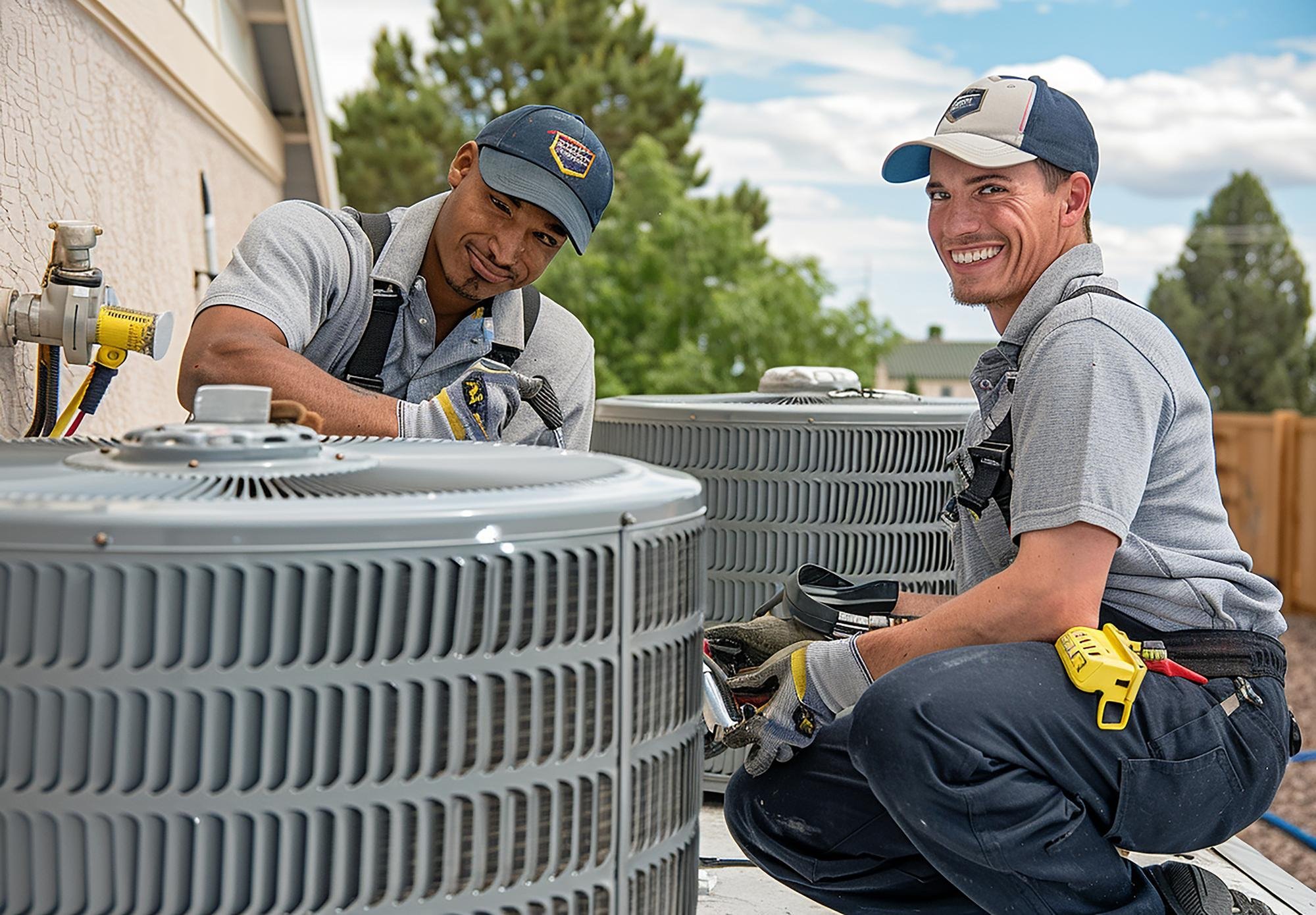
A practical detail specific to Arizona: condensate management. High-efficiency equipment produces more condensate, and the desert climate can complicate disposal if you tie condensate into landscaping or irrigation lines. Expect the contractor to propose a condensate pump or a dedicated drain routed to the exterior. Drain routing should be planned before stucco or siding closure to avoid later patchwork.
Coordinating timelines with other trades Sequence and communication prevent costly rework. A typical timeline for a mid-size renovation might look like this: rough framing, rough HVAC and ductwork, rough plumbing and electrical, insulation, drywall, trim and finish HVAC work, system startup, balancing, and final inspection. That general order keeps the HVAC team from working over finished surfaces.
Give the HVAC contractor access to the job site for a pre-install walk. Bring the electrician and plumber to that meeting. Discuss hard connections to the electrical panel, central thermistor wiring, and gas line runs. Confirm that equipment pads or exterior condenser locations are coordinated with landscaping and hardscape plans. I have seen condensers installed in a landscaped bed only to be blocked by a planned trellis, which required moving the unit after concrete and plants were in place.
Handling emergency AC repair during renovations Renovations sometimes trigger emergencies, especially in Tucson summers. If you need "Emergency AC repair near me" during a renovation, have a plan that preserves your project timeline. Maintain contact with one or two reliable emergency service teams who can respond quickly. Ask ahead whether they offer temporary cooling solutions like spot coolers or window units compatible with your project.
Also, establish a decision threshold. For example, if your system fails with exterior temperatures above 100 F and the house will be occupied or critical finishes are drying, authorize emergency repair or temporary cooling immediately. For less urgent failures, schedule repairs to coincide with planned equipment work to avoid repeated site mobilizations.
Questions to ask HVAC companies before hiring Using a concise checklist during contractor interviews saves time and clarifies expectations. Here are five essential questions to ask each candidate:
Will you perform a written Manual J load calculation and provide the results? Who will handle permits and inspections, and can you show proof of license and insurance before work begins? How will you coordinate duct routing and register placement with our contractor and the drywall schedule? What is your policy for change orders and concealed-condition pricing? Can you provide references for at least two recent renovation projects in Tucson?A clear answer to each of these questions typically separates contractors who focus on retrofits from those who treat renovations like standard replacements.
Budgeting and trade-offs Budget planning for HVAC in a renovation needs different categories: equipment, ductwork, controls, labor, and contingency. Equipment costs in Tucson vary widely, with mid-range central systems often between several thousand and around ten thousand dollars including installation. Ductwork can be the single largest variable; adding trunk lines or building soffits increases scope quickly. Set aside a contingency of at least 15 to 20 percent specifically for HVAC when your renovation modifies the building envelope or floor plan.
There are trade-offs. You can save money by keeping the existing duct network and swapping the air handler or condenser. That works if the ducts are in good condition and the load change is modest. If you aim for comfort in multiple zones, consider ducted zoning or mini-split systems. Ductless mini-splits can be less invasive where running new ducts is impractical, but they change aesthetics and may cost more per ton.
Control strategies and smart thermostats Thermostat placement determines comfort. Avoid placing thermostats near kitchens, exterior doors, or in direct sunlight. If you zone your system, ensure each zone has a properly located sensor and that the control wiring is integrated into the renovation schedule.
Smart thermostats can improve performance and provide remote diagnostics for contractors, which is handy during a renovation. However, some smart thermostats require common wire connections or specific control wiring, so confirm wiring during the rough-in phase. If your HVAC contractor recommends a proprietary control system for zoning, weigh the benefits against potential vendor lock-in and replacement costs.
Testing and commissioning Do not accept handoff until the system has been commissioned. Commissioning includes verifying correct refrigerant charge, measuring supply and return temperatures, checking static pressure, testing airflow at registers, and balancing zones. In practice, ask your contractor to perform a set of baseline tests and provide a written report. For remodels, take before-and-after measurements if possible. Commissioning uncovers issues early, such as reversed duct boots, undersized returns, or improper refrigerant charge, and avoids late-stage punch-list items.
Anecdote: a misaligned register and a missed deadline I once coordinated an addition where the HVAC plan placed a master bedroom supply register near the foot of the bed. The homeowner insisted the register be relocated above the closet. The ductwork had already been sheeted into a soffit, and moving that soffit would have delayed painting by two weeks and cost several thousand dollars. We negotiated a compromise by adding a transfer grille and redirecting airflow with an adjustable boot in the closet soffit, avoiding the delay and satisfying the homeowner. The lesson: lock down register locations before duct fabrication and treat register placement as a finished design decision, not an afterthought.
Working with Plunkett Home Services and local providers If you're searching for "AC Repair in Tucson" or "Ac installation in Tucson," companies like Plunkett Home Services operate in this market, offering replacement, repair, and preventive maintenance. When you consider specific providers, match their service offerings to your project needs. Some providers excel at emergency AC repair near me and quick replacements, while others specialize in comprehensive renovation coordination and load calculations. Ask for examples of both types of work, and confirm they will attend site coordination meetings.
Final practical checklist for the renovation timeline Use this short checklist to keep HVAC work aligned with your renovation schedule:
- Engage HVAC contractor early, supply plans, and hold a pre-bid site walk. Confirm load calculations, duct design, and permit responsibilities before ordering equipment. Sequence rough ductwork after framing and before insulation; finalize register locations before drywall. Schedule commissioning and system balancing after finishes but before final occupancy. Maintain a contingency for unforeseen duct or structural issues.
When to expect additional costs Expect extra costs if your project requires structural modifications for ducts, unexpected asbestos or hazardous material remediation, rerouting major electrical panels, or installation of a new condensate management system. Seasonal demand can also affect pricing. In Tucson, spring and early summer often see higher volumes of AC repair calls, so schedule non-urgent renovation replacements in the fall or winter when contractors have more scheduling flexibility and sometimes offer better pricing.
Wrap-up with action steps If you are starting a renovation, call two or three reputable HVAC contractors and schedule an early site walk. Ask for a written Manual J and a project-specific coordination plan. Confirm who pulls permits and how https://elliotsugg470.lucialpiazzale.com/when-to-call-an-hvac-contractor-for-tucson-ac-problems-1 the contractor will manage change orders. Reserve a commissioning visit on the schedule and set aside a realistic contingency for ducts and structural adjustments. With that approach you will avoid the most common pitfalls and get a system that performs reliably through Tucson summers and beyond.
Plunkett Home Services
3144 E Fort Lowell Rd, Tucson, AZ 85716, United States
+1 (520) 808-2743
[email protected]
https://callplunkett.com/