You just had a new air conditioner installed in Tucson. The first cold blast felt like a small victory against triple-digit afternoons. New systems are quieter, more efficient, and often built to last a long time, but only if you treat them like the precision machines they are. A thoughtful maintenance plan and a few hands-on habits will keep your unit running longer, reduce repair calls, and save hundreds or thousands over the life of the system.
Below I outline practical steps I use with homeowners, field-tested tips technicians swear by, common failure points to watch, and when calling an HVAC contractor makes more sense than DIY. I draw on years of service experience in hot, dusty climates and on the typical warranty fine print that accompanies most AC installations in Tucson.
Why extending lifespan matters here Tucson is brutal on cooling equipment. High temperatures, intense sun exposure, and airborne dust accelerate wear on coils, motors, and electronics. Even a top-of-the-line system can suffer if filters are ignored or outdoor condensers sit caked in grit. Getting proactively involved now preserves efficiency, reduces monthly bills, and avoids emergency AC repair near me calls during heat waves when wait times spike.
Understand the warranty and what you owe When the crew leaves, they hand you a packet full of warranty terms and a system manual. Read it. Warranties commonly require documented routine maintenance to remain valid. That usually means at least one professional inspection per year, sometimes two, and retention of service receipts. If the compressor fails and the company asks for maintenance records, no paperwork can turn into a denied claim.
Anecdote: I once saw a homeowner replace an evaporator coil at five years under warranty, only to be turned down because the installer required annual tune-ups and no records existed. The repair cost thousands. You can avoid that trap by scheduling service visits and keeping the receipts, either digitally or in a folder.
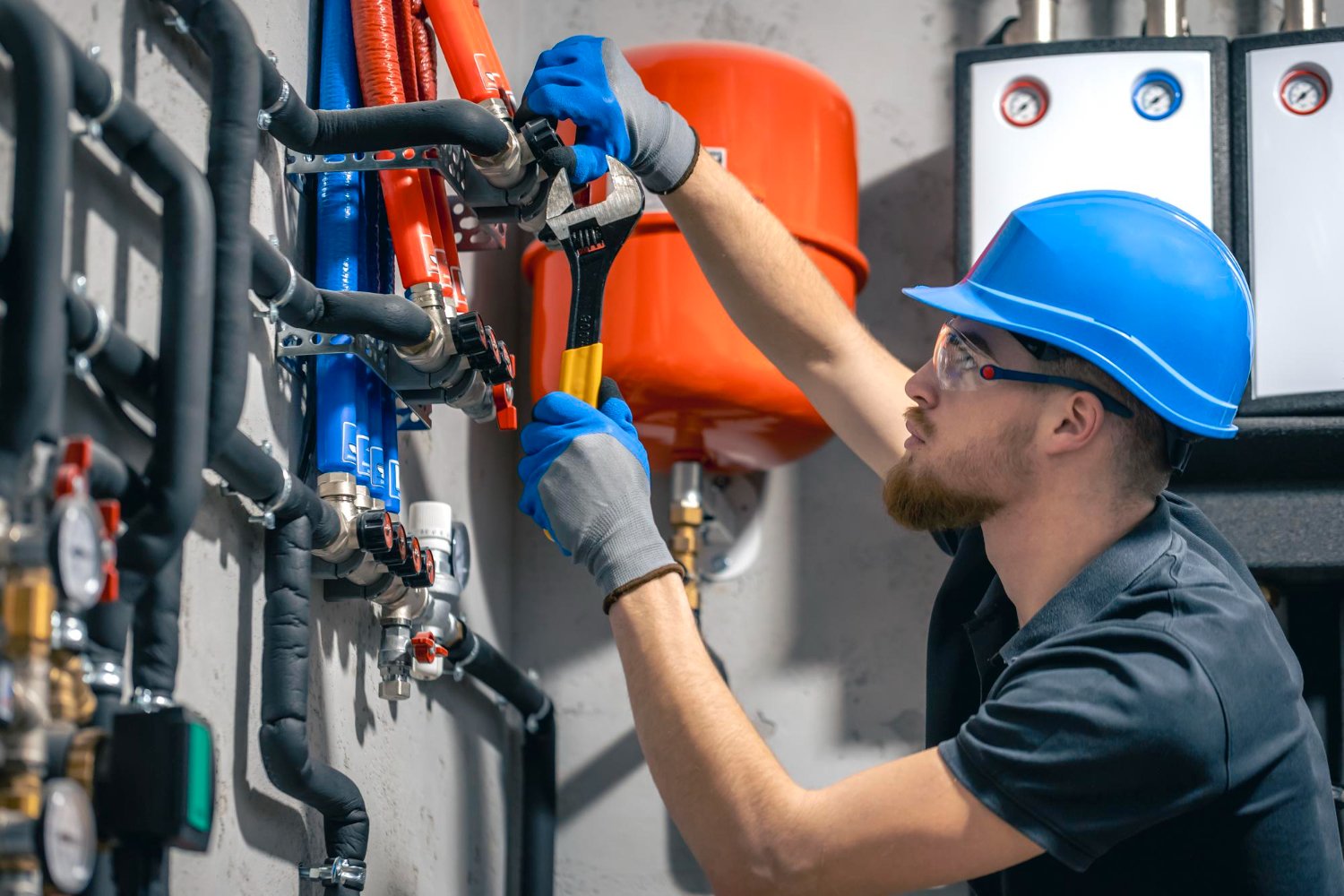
Set a maintenance rhythm that fits Tucson A realistic schedule balances cost against climate stress. For Tucson, I recommend the following rhythm, which also matches many manufacturer recommendations.
- Spring professional tune-up. This is the most important visit before summer demands peak output. Fall check. It helps ensure the system handled summer heat and identifies early signs of wear. Monthly filter checks during summer, every 2 to 3 months in milder seasons. After any severe storm or dust event, quick visual inspection and outdoor coil cleaning if needed.
These are simple, but they prevent small problems from becoming system killers. If you prefer a single checklist instead of paragraph form, use the five-point checklist near the end of this article.
What technicians do during a tune-up and why it matters A professional tune-up is more than cleaning. Technicians test pressures, measure amperages, inspect brazed joints and refrigerant lines, verify proper airflow, and check electrical connections for corrosion or looseness. A common cost-saving detail: improper refrigerant charge reduces efficiency and forces the compressor to run harder, shortening its life. Many homeowners only notice when cooling drops, by then the compressor may already be under stress.
I once found a new installation with a slightly undercharged system because a line set had a tiny leak. The homeowner assumed a new system would be problem-free. After a tune-up the leak was repaired and the unit tuned up, extending its projected lifespan by several years.
Daily habits that protect uptime Small daily habits add up. Keep these practical behaviors in place.
Keep return vents and registers unobstructed. Blocked airflow raises system pressures and strains the blower motor.
Shade the outdoor unit when possible, without obstructing airflow. A strategically placed tree or lattice can lower the condenser intake temperature by a few degrees and reduce stress on the compressor. Do not wrap the unit.


Manage thermostat settings intelligently. Avoid extreme set-and-forget swings. Cooling from 90 degrees down to 72 dramatically increases run time and wear. Set a modest target and let the system maintain it, or use a programmable thermostat to moderate run cycles.
Control humidity. Tucson’s humidity is low, but brief monsoon seasons bring spikes. High indoor humidity forces the system to run longer to dehumidify; a dehumidifier or proper ventilation strategy can relieve that burden.
Keep the area around the outdoor unit clean. Leaves, grass clippings, and dust build up. A quick sweep of two feet all around and three feet above the unit prevents restricted airflow.
Preventive tasks you can do safely There are maintenance steps you can perform yourself if you are comfortable with basic home tasks. Avoid electrical work unless you are qualified.
Check and replace filters. Use pleated filters with at least MERV 8 for most homes. In dusty environments or if you have pets, consider MERV 10. Replace filters every 30 days during summer, or at the very least every 60 days.
Clean the condensate drain. A clogged drain causes water damage and can put the float switch into a state that shuts the system down intermittently. Pour a cup of white vinegar or a manufacturer-recommended solution into the access point to keep it clear.
Vacuum the indoor coil cabinet. Open the return grilles and use a soft brush attachment to remove dust from accessible areas. Do not disassemble components you are unsure of. Replace any foam pads or seals that are visibly degraded.
Straighten bent condenser fins with a fin comb if you see small dents. Bent fins restrict airflow. Minor straightening restores efficiency.
When DIY is not appropriate If you notice burning smells, refrigerant oil stains, ice on coils, hissing sounds, or tripped breakers that reset repeatedly, stop. Those are signs of electrical faults, refrigerant leaks, or failing compressors, and they require a licensed HVAC contractor. Trying to repair refrigerant systems without EPA certification is illegal in many places and dangerous.
Common failure modes for new systems and how to spot them early Compressor burnout. The most expensive failure. Early signs include reduced cooling capacity and abnormal buzzing when the compressor starts. Keep refrigerant properly charged and ensure adequate airflow to limit stress.
Capacitor and contactor wear. These small electrical components take steady hits every time the unit cycles. They are inexpensive to replace but often ignored until they fail. A technician can test them during tune-ups and replace marginal parts proactively.
Evaporator coil corrosion or clogging. Dust and chemical aerosols can coat the coil and reduce heat transfer. Regular filter maintenance and occasional coil cleaning keep the system efficient.
Drain pan and condensate pump failure. If the drain fails, water can back up into the system and corrode controls. https://rentry.co/6eepbv2i Check that drains are clear and pumps operate at the start of the cooling season.
Refrigerant leaks. Low refrigerant causes the compressor to overheat. Hissing noises, oily spots near fittings, or ice accumulation on low-pressure lines are early signals. If you suspect a leak, call a licensed HVAC repair company.
How installation choices affect longevity Not all installations are created equal. A poorly sized or improperly piped system will waste energy and wear out sooner, no matter how well you maintain it. Key installation choices that matter:
Correct sizing. Oversized systems cycle too frequently, causing electrical wear and poor dehumidification. Undersized systems run constantly and overheat components. A load calculation should match the house to the unit.
Proper refrigerant line insulation. Inadequate insulation on the line set increases thermal losses and invites condensation that can damage the lines.
Secure, level placement of the condenser. A condenser must sit level and have a firm pad. If it tilts, refrigerant oil can pool and reduce compressor life. If you choose a contractor who rushes site prep, expect problems later.
Quality of electrical connections and breaker sizing. Undersized wiring or loose connections create high-resistance points that heat and fail. Good installers torque and secure connections to spec.
I recommend choosing an HVAC contractor who will walk you through these details. When you search for HVAC company near me or HVAC Service Near Me, ask about load calculations and installation photos. Reputable companies document everything.
When to schedule professional maintenance and what to expect to pay Book your first professional check in spring, before peak summer demand. Expect a comprehensive visit to take 60 to 90 minutes. Technicians will check refrigerant pressures, measure motor currents, clean coils, check thermostats, and test airflow.
Costs vary by market and system complexity. In Tucson, an annual tune-up typically ranges from about $80 to $200 per visit. A two-visit maintenance plan that covers spring and fall and includes some parts can run $150 to $350 annually. These are general ranges; premium plans with no-trip fees and priority scheduling cost more but can be worth it if you want minimal downtime during heat waves.
Emergency repairs and how to minimize them No one wants to call "Emergency AC repair near me" in triple-digit heat. You can reduce emergency events by replacing aging capacitors and contactors proactively, monitoring run-time and temperatures, and installing a smart thermostat that alerts you to abnormal cycles.
If an emergency does occur, document symptoms and the last time maintenance was performed. When you contact an HVAC contractor, ask if they offer emergency response and whether they keep common replacement parts on their trucks. Companies that promise same-day service during heat waves typically have stocked vans and a dispatch plan for prioritizing vulnerable customers.
A note about energy efficiency and replacement math Even with good care, efficiency gradually drops. A well-maintained system still loses performance over time. If your unit is more than 12 to 15 years old, tighter refrigerant restrictions, nonstandard refrigerants, or repeated major repairs change the cost calculus. When repair costs approach 50 percent of replacement and efficiency is low, replacement may be smarter.
For a new system, keep efficiency high by sealing ducts and insulating attic or crawl spaces. Leaky ducts can waste 20 percent or more of conditioned air. Many homeowners see a return on duct sealing in lower utility bills and reduced stress on the air handler.
Signs you need to call an HVAC contractor now If you observe any of the following, schedule a professional assessment rather than waiting.
- The system cycles rapidly on and off, or short cycles. The compressor runs but there is little or no cold air. High humidity persists despite continuous operation. Strange mechanical noises start suddenly, such as grinding or loud banging. A sharp electrical smell or scorch marks are present near the electrical disconnect.
These indicators often precede component failure. Document when each started and any recent maintenance to speed diagnosis.
How to evaluate and choose a local HVAC service Not every company is equal. When you search for "AC Repair in Tucson" or "HVAC Service Near Me", evaluate firms on these concrete signals.
Request proof of licensing and insurance. Verify credentials and that technicians are licensed and EPA certified for refrigerant work.
Ask for references and recent job photos. Quality companies document installations and keep before-and-after photos.
Check emergency response policies and parts availability. Companies that provide emergency AC repair near me should tell you typical response times and whether they stock parts.
Read the service agreements. Understand what is covered, whether labor or parts are extra, and how warranties are handled.
One real example: Plunkett Home Services operates in our region with transparent maintenance plans, documented installs, and a priority service program. If you want a company with local presence and reviews, they are worth considering among other qualified contractors.
Avoiding common upsell traps Technicians sometimes recommend premature replacements or unnecessary parts. Ask for specifics. If a recommendation is capacitor replacement, ask to see the failed component and the test that confirmed it. If a major repair is proposed, request an estimate that compares repair cost against replacement cost including efficiency gains and warranty terms.
Final practical checklist for the first year Here is a short checklist to run through in the first year after installation. Treat it as a practical to-do list you can follow or hand to a neighbor or service tech.
- Replace the air filter every 30 to 60 days during heavy use, keep documentation. Schedule a spring professional tune-up and a fall check, keep receipts for warranty. Keep two feet of clearance around the outdoor condenser and clean debris monthly. Inspect the condensate drain quarterly, clear with vinegar if needed. Track run-time and any odd noises, and call a licensed HVAC contractor if patterns emerge.
Long-term thinking and a realistic timeline With proper maintenance, many modern systems last 12 to 20 years. In Tucson, expect the lower end of that range without care and the higher end with diligent service. The biggest controllable factors are airflow, refrigerant charge, and electrical integrity. Spend modestly on tune-ups and replace inexpensive components before they fail. The peace of mind and dollars saved by avoiding emergency compressor replacement more than justify a service plan.
If you want help with the first tune-up or need a trustworthy referral, search for "HVAC contractor" or "HVAC company near me" with reviews and ask about maintenance plans and emergency response. A good contractor will explain each step, document work, and help you keep that new system running smoothly for years.
If you prefer, call a local service like Plunkett Home Services or another vetted provider and ask about their preventive maintenance packages, priority scheduling during heat waves, and the specific tests they perform during a tune-up. A few hours invested annually will keep your new AC cooler, quieter, and more durable when Tucson heat matters most.
Plunkett Home Services
3144 E Fort Lowell Rd, Tucson, AZ 85716, United States
+1 (520) 808-2743
[email protected]
https://callplunkett.com/