When your air conditioner strains on a 100 degree afternoon, you want the technician to arrive ready, diagnose quickly, and leave the system reliable. Preparation is the difference between a two-hour fix and an all-day slog that still leaves you sweating. If you plan ahead, you save time, avoid unnecessary charges, and increase the odds the first visit resolves the problem. This guide walks through what to do before the HVAC repair technician arrives in Tucson, what to expect during the visit, and how to make smart decisions about parts, warranties, and follow-up service. The advice is practical, drawn from field experience, and aimed at homeowners who want efficient AC Repair in Tucson without surprises.
Why preparation matters here Tucson heat is relentless from late spring through early fall. An unresolved HVAC issue not only creates discomfort, it can also lead to higher humidity indoors, stress on other mechanical components, and higher electric bills. Technicians can work faster and diagnose more accurately when you remove simple obstacles: clear access, basic system history, and a sense of the problem timeline. When you call a local HVAC company near me, the tech brings tools and training. Your job is to make their job straightforward so the repair focuses on the system, not on hunting for a lost filter or moving furniture.
First phone call: what to tell dispatch When you call an HVAC contractor to request AC Repair in Tucson, the dispatcher will ask questions that matter. Be concise but specific. Tell them the brand and approximate age of the system, whether the unit is a split system or a packaged unit, and if you have a central thermostat or multiple zones. Describe noise, smells, and when the problem started. Say if the breaker has tripped or if the thermostat displays error codes. If the system cycles frequently or runs but does not cool, say so. Note any recent events like a power outage, rodents nesting near the unit, or recent work in the attic that might have disturbed ducting. This context helps the HVAC contractor decide which technician to send and what parts to bring, reducing the chance of a return trip.
Gather documents and system https://blogfreely.net/erforeczlx/plunkett-home-services-checklist-for-post-repair-hvac-service-near-me information Before the technician arrives, assemble what you know about the system. A simple stack of papers speeds diagnosis.
- model and serial numbers from the outdoor unit or furnace proof of any active warranty or previous service invoices receipts for recent refrigerant top-ups or component replacements
If you do not have paperwork, snap photos of labels and the thermostat screen with your phone. A legible photo of the nameplate usually tells a technician the exact configuration and refrigerant type. If you have a service agreement with a provider like Plunkett Home Services, have your account number ready. Technicians appreciate a clear paper trail; it helps them avoid removing and replacing parts under warranty unnecessarily.
A five-point pre-visit checklist Use this short checklist the morning of the visit to remove common delays.
Clear a three-foot perimeter around the indoor air handler and at least two feet around the outdoor condenser. Turn the thermostat to the problem setting and set the fan to auto, so the technician sees normal operation. Remove pets from the work area, or secure them in a closed room. Have recent service receipts or warranty info available, and photos of any labels if needed. Note the time the problem started and any intermittent patterns — mornings, evenings, after rain, etc.Access and safety issues that slow repairs Technicians can diagnose most problems quickly when they can approach the equipment. Tight patios, locked gates, overgrown bushes, and stacked storage boxes are common obstacles. In Tucson homes, outdoor units can be blocked by gravel mounds, air mattresses, or patio furniture. Move anything that restricts access to a minimum of two feet around the unit and three feet above the fan. If the unit sits behind a locked gate, leave the gate unlocked or plan to meet the tech outside. If access requires a ladder, inform the dispatch so the technician brings one and a helper if necessary.
Indoors, ensure the air handler, furnace, or ducted coil has a clear path. Crawlspaces and attics present special safety considerations. If the technician must enter a cramped attic, clear a runway for a short ladder and make sure attic access panels are unlocked and unobstructed. If fall protection or special lighting is required, confirm that with the HVAC company during scheduling so they allocate appropriate staff and tools.
What to tell your family and neighbors If the technician will need to operate or shut off electrical equipment, warn household members in advance. Brief your children so they do not interfere with the technician. In apartment buildings and duplexes, tell immediate neighbors that a service visit is scheduled; loud fans, minor refrigerant odors, or temporary water on the pad during condensate clearing can alarm people who are unaware. Most technicians work neatly, but a little heads-up prevents misinterpretation.
What the tech will inspect and how long it should take A good technician follows a logical sequence when diagnosing an AC problem. Expect a visual inspection first, looking for obvious damage, oil stains, or loose wiring. Next comes electrical testing at the outdoor unit and air handler, checking run capacitors, contactors, and breakers. Refrigerant pressure checks follow if cooling is inadequate, and airflow measurements through the evaporator coil help determine if the blower or ducting is the issue. Common repairs like capacitor replacement, contactor swaps, or condensate drain unclogging often take 30 to 90 minutes. More involved fixes, such as compressor replacement or evaporator coil swaps, take several hours and sometimes require ordering parts.
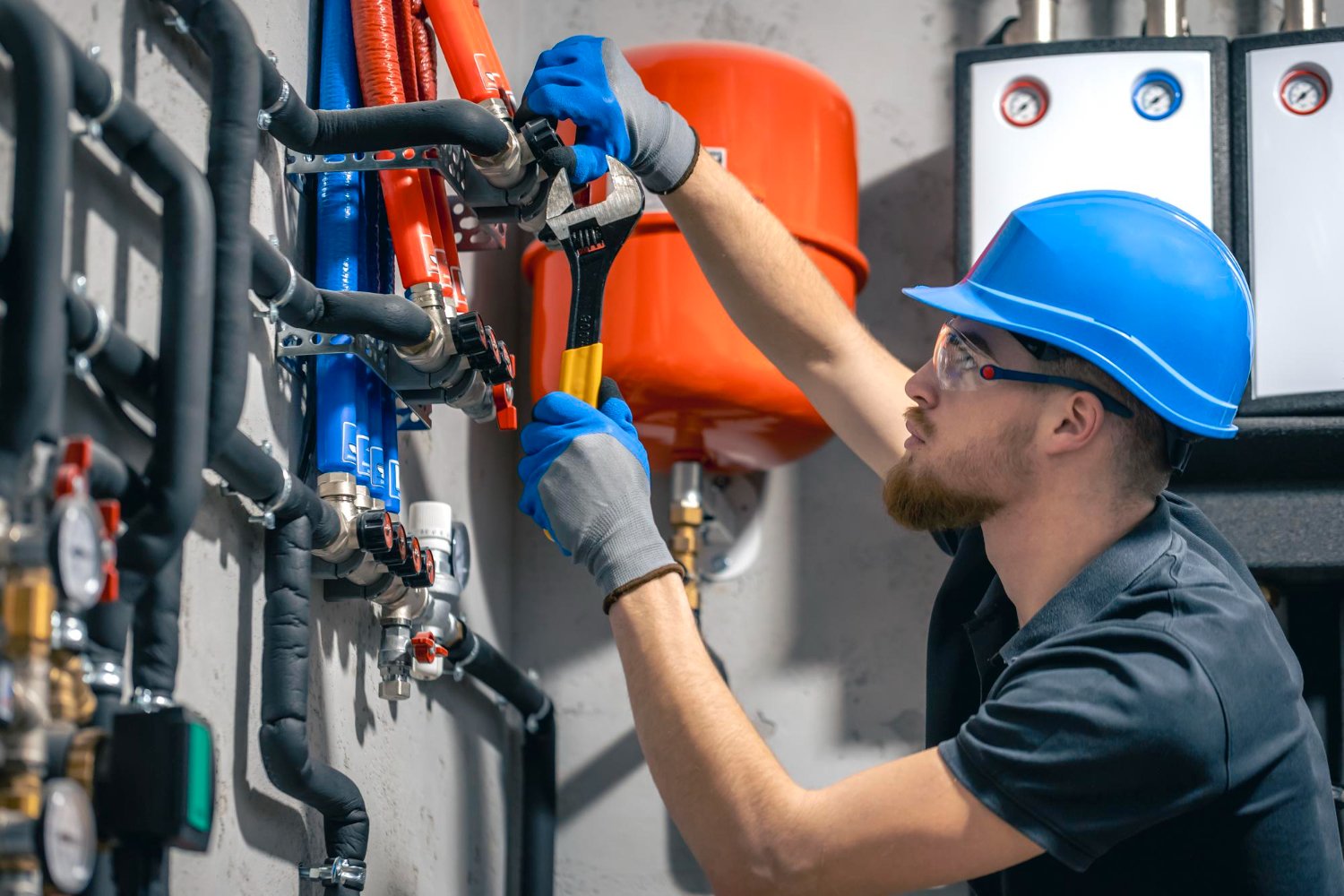
Be realistic about time estimates. A technician who promises a one-hour fix before seeing the system is guessing. A professional who inspects first and then lays out options is more trustworthy. For emergency AC repair near me requests, same-day visits are possible, but full repairs may still require parts. When calling an HVAC contractor, ask whether they stock common parts for your brand and unit size.
Parts, repairs, and decisions to make You will encounter three kinds of recommendations: repair, replace, or monitor. A minor electrical part or a clogged drain is almost always a repair. If the compressor has failed on a unit older than 10 to 12 years, replacement is often more cost effective than repairing a major component. Energy efficiency standards have improved, and a new system can cut cooling costs in Tucson by a noticeable percentage depending on your current unit’s SEER rating.

When technicians propose refrigerant top-ups, ask whether there is a leak and whether the refrigerant type matches the original system. Modern systems use different refrigerants than units installed 15 to 20 years ago. Adding refrigerant without finding a leak is a temporary fix. If the tech recommends replacing the compressor or evaporator coil but the system is under five years old, request a quote both for repair and for a full replacement so you can compare upfront cost, expected efficiency, and warranty terms.
Warranties and service agreements Ask about warranties on parts and labor up front. Many manufacturers cover major components for a decade, but labor coverage varies. Local HVAC contractors often offer warranties on their work in addition to manufacturer warranties. If you already have a service plan, confirm whether the visit falls under it. Having a preventative maintenance agreement can lower emergency repair frequency; technicians who service your system annually catch small problems before they become urgent.
Money matters: pricing and estimates Before the technician begins work, request a written estimate or a clear verbal price and get consent. For small jobs, many reputable HVAC contractors will provide a flat rate for parts and labor. For complex repairs that require diagnostic time, ask whether the company charges a diagnostic fee if you decline the repair. In Tucson, emergency calls may include an after-hours surcharge. If you want to compare prices, get at least two estimates for major work. Remember that the cheapest option is not always the best. Proper refrigerant charge, accurate electrical testing, and correct component sizing avoid repeat visits and higher long-term costs.
Communication during the visit A good technician explains findings in plain language. Expect to hear concise reasons for suggested repairs, potential alternatives, and limits to what tests can determine without disassembly. If something sounds unclear, ask for the problem to be shown on the component and for the technician to point to the failed part. Ask whether the part is OEM or aftermarket. If you have a preference for original manufacturer parts, state that before work begins.
Document the visit by taking photos of replaced parts, the service tag, and the work area afterward. This record helps with future troubleshooting and serves as evidence if warranty claims arise. If the technician adjusts the thermostat, notes refrigerant pressures, or replaces an electrical component, request that they record those readings and leave a copy for you.
Common homeowner mistakes that cause delays Homeowners often slow repairs by not having a clear area around equipment, neglecting to have paperwork, or not knowing whether they have an existing maintenance contract. Another common mistake is disabling the thermostat or leaving the breaker off. Leave the system powered so the technician can observe normal startup behavior. Hideaway animals are a recurring issue in Tucson; rodent nests under the condenser or insulation damage in the attic add time to the visit. If you suspect animal activity, mention it when you schedule so the tech brings necessary cleaning supplies.
What to expect after the repair If the problem was fixed on the first visit, keep an eye on the system for the next 24 to 72 hours. Note whether temperatures stabilize, whether the system cycles normally, and whether any new noises appear. If the technician left with a promise to return with a part, ask for a narrow time window and a follow-up confirmation call. If you accepted a quote for replacement, ask for a timeline and any permits required. Replacements usually require coordination with scheduling, electrical inspection, and proper refrigerant handling. For installations in Tucson, technicians often schedule morning starts to avoid the hottest part of the day.
When to call back immediately Certain symptoms indicate safety issues and warrant immediate follow-up: burning smells, visible smoke, tripped breakers that immediately reset, refrigerant hissing around the unit, and persistent water leakage that risks structural damage. For these, call the HVAC company back and request emergency AC repair near me. Plunkett Home Services and other local contractors typically have protocols for these urgent situations to minimize risk and prevent property damage.
How to choose a reliable HVAC contractor Look for licensed and insured technicians with clear reviews and a track record in Tucson. A company that answers basic questions about efficiency ratings, refrigerant types, and warranties demonstrates competence. If you search HVAC Service Near Me, evaluate whether the company sends certified technicians instead of subcontractors, how they respond to emergency calls, and whether they offer maintenance plans. Local firms that specialize in Tucson climates understand common local issues such as dust-clogged coils, mineral buildup in condensate lines, and how to size a replacement system for desert cooling needs.
A brief homeowner anecdote A homeowner once called after their AC blew warm air for two days. They had purchased a package of ice packs and remained with windows closed while waiting for the tech. When the technician arrived, a quick inspection revealed the outdoor unit fan guard had been boxed in with holiday decorations and a dog bed was sitting on the coil. Clearing the clutter and cleaning the condenser fins restored airflow, and refrigerant levels were normal. The fix took 45 minutes, and the family avoided an unnecessary compressor replacement. The moral is simple, clear access plus accurate problem description often saves both time and money.
Ongoing tips to avoid emergency repairs Set a calendar reminder for seasonal maintenance. In Tucson, biannual checks in spring and fall help catch clogged coils and deteriorating belts before they fail under heat. Change disposable filters every one to three months depending on indoor air quality and pets. Consider replacing old systems with modern high-efficiency units if energy bills are rising and repairs are frequent. When you hire a contractor, ask about a maintenance plan that includes priority scheduling and discounts on parts.
Final persuasive note You do not need to be an expert to get a swift, correct HVAC repair in Tucson. A few simple actions before the visit, clear communication during the service, and informed decisions about parts and warranties dramatically improve outcomes. When you prepare the space, gather paperwork, and choose a reputable HVAC contractor, technicians spend their time fixing your system rather than hunting for information. If you want dependable service, look for local providers with transparent pricing, documented warranties, and technicians who explain each step. Companies such as Plunkett Home Services appear in many homeowners' searches for AC Repair in Tucson because they combine local knowledge with practical trade experience. Prepare well, ask the right questions, and your next HVAC visit will finish faster and leave you cooler.
Plunkett Home Services
3144 E Fort Lowell Rd, Tucson, AZ 85716, United States
+1 (520) 808-2743
[email protected]
https://callplunkett.com/