A blinking light and a number on your thermostat can feel like a small victory or the start of a mystery. When the house hums differently, your mind jumps https://erickzmmk038.iamarrows.com/ac-repair-in-tucson-during-monsoon-season-tips-and-precautions from a cracked coil to a full system failure. Learning to read error codes gives you options: you can fix a minor glitch yourself, provide a technician with precise information, or call for emergency help with confidence. That prevents wasted service calls, speeds repairs, and often saves money. This article walks through what those codes mean, how to interpret them safely, and when it makes sense to call an HVAC contractor, especially here in Tucson where summer heat pushes systems hard.
Why error codes matter, practically Error codes are not a guess. They are a language built into modern HVAC systems to pinpoint electrical, refrigerant, sensor, or control problems. A code narrows the field of possibilities dramatically. For example, a fan motor overload code directs attention to the motor or its capacitor, while a refrigerant low code points toward a leak or charging issue. If you call "AC Repair in Tucson" without that detail, a technician arrives prepared for anything. If you call with a specific code and symptoms, the tech brings the right gauges, parts, or sensor probes. That saves time and often parts-swap guessing.
Where to find your AC's error codes Most modern systems show codes on the thermostat, on the outdoor unit's control board, or inside the air handler. Thermostats might display an F followed by digits, or simple messages like "E1" or "ERR". Many outdoor units have a small LED near the electrical disconnect that flashes a pattern. To get the code you may have to open an access panel. If you are comfortable and safe around electricity, turn off power at the breaker, remove the panel, and read the status LED or the printed label on the control board that describes the blink pattern. If you are not comfortable, skip this step and record what you see from the thermostat or the external display.
A realistic timeline for investigating codes When a code appears, check the following in sequence: identify the code, record the exact message and any accompanying behavior (no cooling, short cycling, loud noise), take photos with your phone, and attempt a simple reset. Many systems will clear a transient code after a power cycle. Turn the thermostat off, flip the breaker off for 30 seconds, then back on. If the code returns within a few minutes and the system behaves abnormally, treat it as persistent. If the code clears and the system runs normally for a day, monitor closely for recurrence.
Common codes you will see and what they usually mean Different manufacturers use different labels, but similar problems repeat across brands. A few examples are useful because they cover the most common causes of service calls.
- Thermostat communication errors. These show as "COMM", "U1", or similar. They mean the thermostat and furnace or air handler are not talking to each other. Often this is a loose wire, a failed thermostat, or a control board problem. Check wiring terminals for loose connections, and try replacing the thermostat batteries. If wiring looks intact but the error persists, the control board may need professional diagnosis. Low pressure or refrigerant codes. These may read "LPA", "LP", "E6", or show a pressure-related symbol. Low refrigerant will reduce cooling and cause the compressor to work harder. The common causes are a slow leak or improper charge from the installation. Refrigerant issues require an HVAC technician because handling refrigerants is regulated and needs gauges and leak detection equipment. High pressure or locked rotor codes. Displayed as "HP", "E2", or through a series of flashes, these point to restricted airflow, dirty coils, a blocked condenser, or an overcharged system. In Tucson, outdoor dust and tumbleweeds can block the condenser coil. Start with a visual inspection and cleaning where safe, then call a pro if pressure stays abnormal. Evaporator freeze or low airflow errors. These show as "FZ", "E1", or as a sensor code. Ice on the evaporator or frozen lines signals restricted airflow, dirty filters, closed vents, or failing blower motors. Replace or clean filters, ensure vents are open, and check for obstructed returns before calling for service. Condensate overflow. Many systems pause operation when the condensate pan switches trigger. Codes like "CF", "A1", or "Overflow" mean the drip line is clogged. You can often clear a drain with a wet-dry vacuum at the condensate line or a pipe brush. If the overflow returns, a technician will need to inspect the pan and drain design. Compressor and capacitor faults. These commonly appear as "CPS", "H1", or through a specific blink sequence. Capacitors degrade over time, and the compressor can draw excessive current as a result. Capacitors are cheap parts, but replacing them means working with live electrical components and should be done by a trained HVAC technician.
Safety and tools — what you should and should not do Working on HVAC systems involves electricity, refrigerant, and moving parts. Safety comes first. If the fix requires opening electrical panels, testing live circuits, or handling refrigerant, call a licensed HVAC contractor. Basic tools to have on hand include a screwdriver, smartphone for photos, a flashlight, a voltmeter if you know how to use it, and a small shop vacuum for condensate lines. Do not open the refrigerant service valves, do not attempt to recharge refrigerant, and do not bypass safety switches. These actions can be illegal, dangerous, and they often cause more damage.
A short checklist for reading your AC error codes (use when you are comfortable and safe)
Record: take a photo of the thermostat display, control board label, or LED blink pattern and note the time and behavior. Reset: power cycle the system at the thermostat and breaker, then watch for code return. Inspect: look for obvious issues like dirty filters, blocked condensers, tripped breakers, or clogged drains. Reference: check the system's service manual or the control board label for code definitions. Call if persistent: if the code persists, document everything and contact a qualified HVAC company near me.How to use the code information when you call for AC repair in Tucson A technician’s first hour is diagnostic. You can shorten that by giving precise information: the exact code, when it first appeared, the conditions (outside temperature, indoor humidity), and what you have tried. Mention whether the unit runs and cycles, if there are unusual noises, and whether you have a history of recurring issues. For example, telling Plunkett Home Services or another HVAC contractor that your thermostat showed "E6" during a 107 degree afternoon, with the outdoor unit running but no cool air, lets the tech bring refrigerant gauges, leak detection tools, and possibly a replacement capacitor. That often avoids a second trip.
When codes mean you should call immediately Some error codes indicate risks that deserve urgent attention. If you see codes associated with electrical faults, burning smells, sparking, smoke, or refrigerant leaks that create frost and hissing noises, shut the system down and call for emergency AC repair near me. Here in Tucson, a failed compressor during a heat wave can put people at risk, so if a code indicates compressor lock or high discharge pressure and the home is not cooling, escalate quickly.
When you can safely wait for scheduled service If the code cleared after a reset and the system runs normally but the code might return, you can schedule routine service. Codes associated with minor sensors, intermittent communication issues, or dirty filters often fall into this category. Replace filters, clear the area around the outdoor unit, and book a professional tune-up during cooler hours. Regular preventative maintenance reduces the chance of emergency calls on the hottest days.
Understanding manufacturer differences and where to look for documentation Every manufacturer assigns codes uniquely. Lennox, Trane, Carrier, Goodman, Rheem, and others have service manuals with code lists. The control board often has a sticker that deciphers LED blink patterns. If you have the model number, a quick search usually yields the correct manual. Avoid general forums for code fixes unless you cross-check with the manufacturer’s documentation, because a fix for one brand can ruin another’s controls.
Common mistakes homeowners make when interpreting codes A frequent mistake is assuming a single code means a single failed part. For instance, a low-pressure code may indicate a leak or it may be an electrical problem causing the compressor to run poorly. Another mistake is ignoring intermittent codes because the system runs after a reset. Intermittent faults often become permanent under stress, and waiting until the hottest day can mean a longer outage and higher repair cost. Finally, replacing parts without diagnostic testing wastes money. Capacitors and contactors often fail slowly and measuring current and voltage helps confirm the root cause.
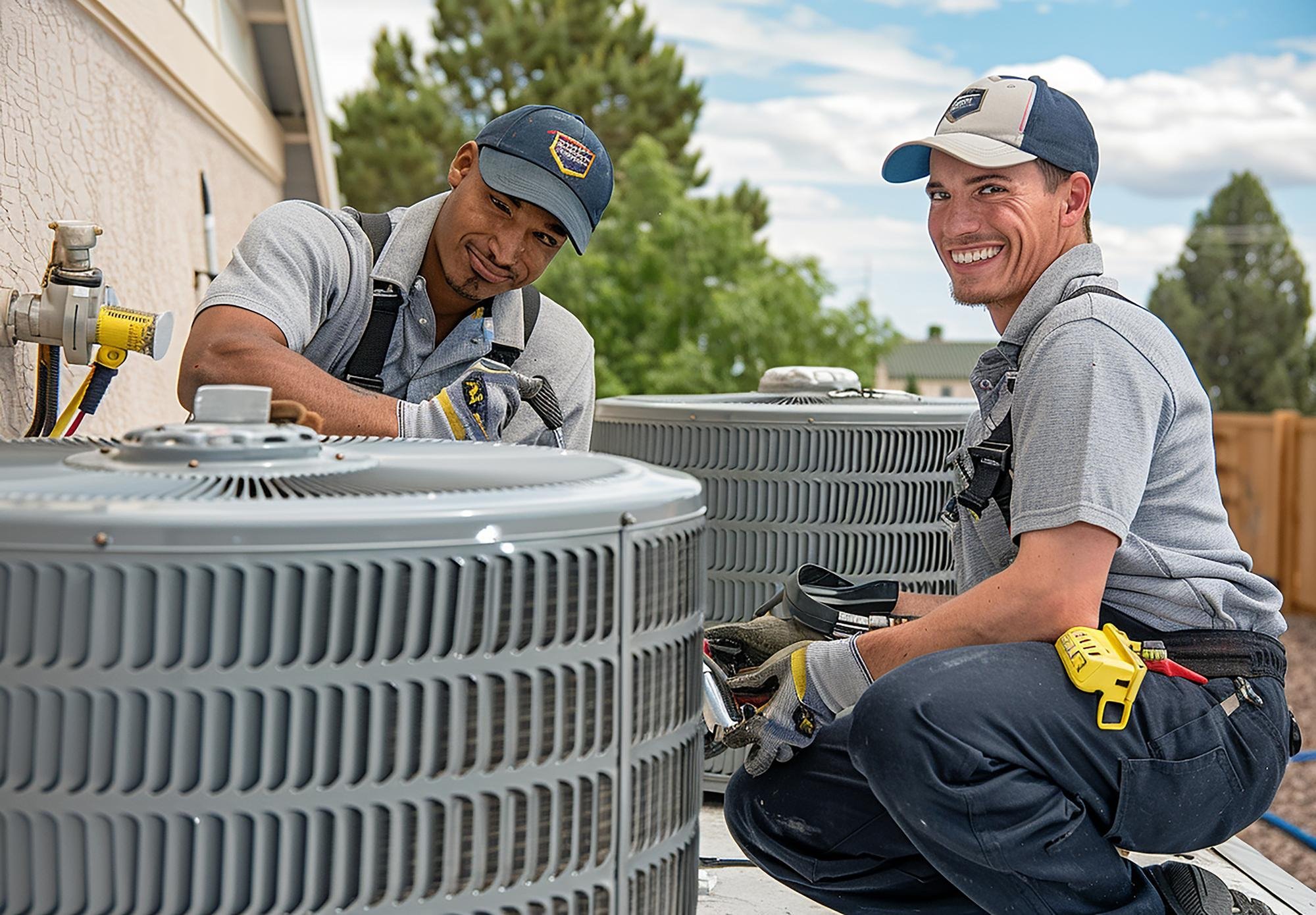

How local conditions in Tucson change the calculation Tucson’s heat and dust present specific maintenance realities. Outdoor units clog with grit and plant debris faster than in cooler, wetter climates. Condenser fins corrode if ash from brush fires combines with monsoon humidity. Refrigerant systems in older homes may be near the end of their expected life cycle, and technicians often recommend replacement rather than repair when leaks become frequent. When you call for "AC Repair in Tucson", a contractor who knows local conditions can advise whether repairs or an AC installation in Tucson makes more sense financially.
Choosing the right HVAC contractor when codes point to professional work Look for licensed, insured technicians with fair labor rates and clear diagnostic fees. A good contractor explains the code, the diagnostic steps, and the trade-offs between repair and replacement. Ask whether diagnostic fees are applied to repairs, and whether emergency service carries a different charge. If you search "HVAC Service Near Me", check reviews for responsiveness on heat-wave days. Plunkett Home Services is one option among many local firms that advertise emergency availability; vet them the same way you would any other HVAC company near me by checking credentials and recent reviews.
How accurate diagnostics change repair outcomes A precise diagnosis reduces part swaps and repeat visits. For example, replacing a compressor because a system only needed a capacitor is a costly error. A technician who reads the code, measures capacitor value, checks motor windings, and inspects refrigerant pressures will be able to tell if a simple part swap will fix the issue or if the compressor is failing. That expertise reduces downtime, especially when temps climb above 100 degrees.
Practical cost expectations and decision-making Costs vary by the fault. A clogged drain or a bad float switch can cost under a hundred dollars to clear or replace. Capacitors and contactors are modest parts with labor that typically runs into a few hundred dollars, depending on access and diagnostic complexity. Compressor replacements, refrigerant recharge, or coil replacement are major repairs that may approach or exceed the cost of a new system. Ask the technician for a clear explanation and an itemized estimate with options: repair, partial replacement, or full AC installation in Tucson. Factor in system age, SEER rating, and your home's cooling needs when deciding.
A brief homeowner anecdote Last summer I helped a neighbor whose thermostat showed "E2" and the outdoor unit hummed without cooling. She had replaced filters and reset breakers. A quick look revealed the fan wasn't spinning freely because a desert locust had jammed the motor shaft inside the condenser. The code had flagged high head pressure because air could not move across the condenser coil. After removing the debris and replacing a slightly chewed fan blade, the system cleared the code and resumed normal operation. The diagnostic code saved a lot of trouble and a needless compressor replacement.
Final guidance on communicating with techs When you call, be specific and calm. State the code, describe recent events, note any sounds or smells, and mention whether the unit cycles or is completely dead. Have the model and serial numbers handy if possible. Ask the technician what they will check first and whether their initial trip includes basic parts like capacitors and contactors. Request photos or explanations before parts are replaced so you understand the trade-offs. A good contractor treats you as a partner in the decision, not an obstacle to upselling.
When you should call right away rather than wait If the house is not reaching safe temperatures, especially with vulnerable people inside, seek emergency AC repair near me. If codes indicate electrical arcing, burning smells, smoke, or refrigerant leakage with strong odors, shut the system down and call immediately. Otherwise, use the steps above to gather information, try a safe reset, and schedule service during cooler hours to avoid higher emergency fees.
Understanding codes gives you leverage Knowing how to read your AC’s error codes turns a mystery into informed action. You will save time, reduce repair costs, and make better decisions about when to repair and when to replace. Whether you need a quick filter swap or you are planning a full AC installation in Tucson, a little knowledge improves the conversation with the technician and the outcome for your home.
If you need hands-on help, make sure the contractor is licensed and insured, clear about diagnostic costs, and familiar with local conditions. A prepared homeowner plus a skilled HVAC contractor equals faster repairs, fewer surprises, and a more reliable system when the Tucson sun is at its worst.
Plunkett Home Services
3144 E Fort Lowell Rd, Tucson, AZ 85716, United States
+1 (520) 808-2743
[email protected]
https://callplunkett.com/