Summer in Tucson is not a season, it is a force. When the mercury climbs into triple digits and your house becomes a pressure cooker, a working air conditioner stops being a convenience and becomes a necessity. That urgency makes it tempting to hire the first person who answers the phone when you search for AC Repair in Tucson or type HVAC company near me. That impulse can cost you more than money. Licensing and insurance separate competent, accountable professionals from risky bets. They also protect your home, your wallet, and your peace of mind.
Why licensure matters Licensing is a baseline proof that an HVAC contractor has met minimum standards. In Arizona, technicians who work with refrigerants must hold EPA Section 608 certification. Many municipalities and utilities require additional permits and trade licenses for HVAC work. A license means the contractor has been vetted in at least one dimension: they've demonstrated knowledge, passed exams, or met experience requirements. That is not a guarantee of perfection, but it weeds out people who are untrained or operating illegally.
Licenses also create accountability. If a licensed contractor damages a home or does shoddy work, you have a clearer path to hold them to account through licensing boards or local consumer protection agencies. Unlicensed individuals generally fall outside that framework. I once had a neighbor tell me a horror story about a weekend warrior who "fixed" an AC and left copper lines soldered with a torch near drywall. The unit worked for a few weeks, then leaked refrigerant, spiking the electric bill and corroding the coil. By the time the homeowner called a licensed HVAC contractor, the repair bill included replacing parts that a proper installation would have protected. The initial cost savings evaporated.
Insurance protects you where licensing does not Licensing is about competence, insurance is about risk transfer. Even the most skilled technician can make a mistake, and even the best equipment can fail unexpectedly. Insurance shifts financial liability away from you when something goes wrong.
There are three insurance types you should care about: general liability, workers compensation, and professional or errors and omissions coverage. General liability covers damage to your property if the contractor drops a piece of equipment, floods a floor, or causes a fire during a repair. Workers compensation covers injuries to the technician while on your property. If a worker is injured and the company has no workers compensation, the homeowner can be exposed to liability claims. Professional or errors and omissions coverage pays for mistakes in the scope of work, such as incorrect sizing during Ac installation in Tucson that leads to chronic short cycling and premature system failure.
A contractor without insurance might seem cheaper upfront. If something goes wrong, the cost falls squarely on you. I know a family in Tucson who hired an uninsured contractor because the quote undercut other bids by several hundred dollars. During removal of the old condenser, a tech slipped and cracked a section of the stucco wall. The uninsured contractor disappeared. The homeowner paid to repair the stucco, replace the condenser, and cover the costs of a permit that the contractor should have pulled. The initial savings became a textbook example of penny wise, pound foolish.
Common scams and warning signs Scams flourish in high-demand seasons. One frequent pattern involves contractors who offer very low "one-day" repairs with no permit or written contract. They finish quickly, ask for cash, and disappear. Another pattern is bait and switch: a low initial quote followed by surprise charges for "necessary" repairs once the job starts. If someone claims they do not need a permit, that is a red flag. Permits exist to ensure code compliance and protect your property value.
Unlicensed technicians often lack the equipment or training to perform safe refrigerant handling. Refrigerant mischarging wastes energy and can damage the compressor. Overcharging and undercharging both reduce lifespan and efficiency. Proper evacuation and leak testing require gauges, vacuum pumps, and knowledge of pressure-temperature relationships. If a contractor appears unfamiliar with these tools, pause.
What to verify before hiring: a short checklist
- proof of current state license or HVAC trade credential copies of general liability and workers compensation insurance certificates written estimate that lists scope, materials, permit responsibility, and warranty terms references or recent local reviews, ideally with specific details about similar work clear timeline and payment terms, avoiding large up-front cash-only demands
Bring these documents up early in the conversation. Reputable companies, including those advertising HVAC Service Near Me, expect these questions and will provide clear answers without defensiveness.
Sizing, installation, and invisible mistakes Many homeowners assume AC Repair in Tucson or Ac installation in Tucson are straightforward: replace old equipment with something new and the problem is solved. The reality is more nuanced. Proper sizing requires a heat load calculation, usually by square footage, orientation, insulation levels, window types, and occupancy patterns. A common error is upsizing, choosing a unit with more cooling capacity than necessary. That seems conservative, but oversized systems short cycle, which leads to poor humidity control, increased wear, and higher energy use. Undersizing leaves you struggling to hit temperature targets on hot afternoon peaks.
Installation quality matters as much as equipment. Refrigerant line lengths, proper sealing of ductwork, correct refrigerant charge, and proper airflow configuration determine the system's performance and longevity. A poorly insulated line set can sweat and cause water damage; improperly sealed ducts lose cooled air into attic spaces. Skilled HVAC contractors account for these details. If you are comparing bids, the cheapest option rarely includes thorough duct sealing or a proper start-up check.
Negotiating warranties and service agreements Warranties come in many forms: manufacturer parts warranties, labor warranties offered by the contractor, and extended maintenance plans. Manufacturer warranties typically cover parts but require that installation meet certain standards. If an unlicensed or uninsured contractor installs an expensive system, the manufacturer may deny warranty claims if the installation is not up to code.
Look for explicit labor warranties and ask how warranty claims are handled. Some companies are prompt to honor warranties; others require you to navigate a bureaucratic process. Annual maintenance contracts can protect the investment and https://louiskibn750.yousher.com/how-plunkett-home-services-uses-technology-for-faster-hvac-repair-in-tucson often preserve manufacturer warranties. If the contractor pushes a long-term maintenance plan as mandatory, ask for the fine print and compare whether independent HVAC repair shops offer equivalent services.
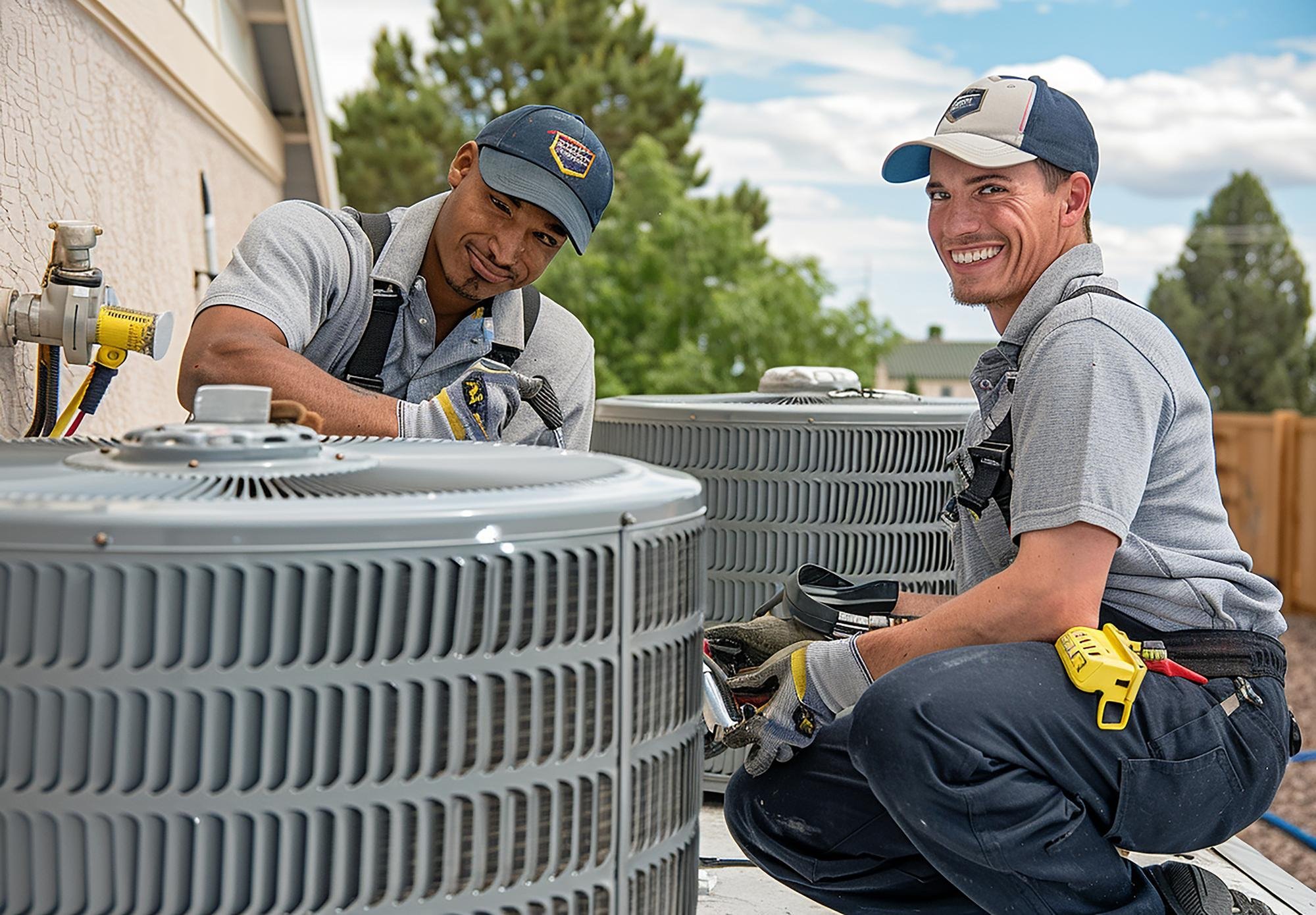
Emergency repairs and urgency traps When you search for Emergency AC repair near me during a heat wave, emotion rises and scrutiny falls. Emergency calls justify premium rates because of overtime pay, after-hours mobilization, and logistics. Those costs are legitimate. The scam happens when an "emergency" becomes an excuse to skip permits, avoid safety protocols, or present a lowball initial diagnosis that balloons into full replacement without proper documentation.
A reasonable emergency response includes triage phone questions, an arrival window, a written diagnosis, and options with estimated costs. If a tech shows up without identification, tools, or a truck marked with company branding, reconsider. Legitimate HVAC contractor firms take calls from dispatchers, carry identification, and issue written receipts and invoices. If you work with a locally known company like Plunkett Home Services, their operations typically include documented emergency protocols and service records that help track what was done and when.
Local context: why Tucson is unique Heat in Tucson is dry and persistent. That changes the calculus for HVAC work. Evaporative cooling is less effective in urban settings with modern homes, and central air conditioning units run for longer stretches than in milder climates. That extended runtime stresses components, so attention to airflow, filtration, and condenser placement is critical. Condenser units need clearance from debris, proper elevation above potential flooding zones, and shading considerations to operate efficiently.
Dust is another local issue. Tucson's fine dust and occasional haboobs mean filters and coils clog more quickly. An HVAC contractor who understands local conditions will emphasize filtration, accessible filter frames, and routine coil cleaning as part of ongoing maintenance. When evaluating HVAC repair bids or Ac installation in Tucson, ask about filtration upgrades and recommended maintenance intervals based on local dust loads.
Balancing cost, risk, and convenience: real trade-offs Hiring a licensed, insured contractor will usually cost more up front. You may pay higher labor rates and see more thorough permitting costs. But those expenses buy competence, safety, and legal recourse. A cheaper uninsured option might save several hundred dollars now and cost several thousand later when a compressor fails early or a botched installation triggers a code violation.
There are legitimate middle grounds. Smaller family-owned shops may offer competitive pricing while maintaining proper licensing and insurance. Large franchised companies might charge more but have rigorous training programs and guaranteed response times. My practical advice: compare total cost of ownership, not just sticker price. Ask how long the equipment is expected to last under the proposed installation, what the average repair costs are for that model in Tucson, and whether the contractor offers maintenance plans that reduce long-term expenses.
How to spot trustworthy contractors in search results When you type HVAC company near me or HVAC Service Near Me into a search bar, filters and heuristics help. Look for companies with consistent local addresses rather than ghost offices. Check for business registration and a track record in local review platforms. Recent, detailed reviews that mention the technician's name, the specific repairs, and photos lend credibility. Be wary of companies with many one-line rave reviews that sound generic.
Call and listen. A competent dispatcher will ask diagnostic questions about symptoms, equipment age, and whether you have a warranty. They will offer a reasonable arrival window and explain fees. If the rep pressures you into immediate payment or asks for large deposits without a signed agreement, pause.
Questions to ask before you hire
- who will perform the work, and can you provide license and insurance documentation? will permits be required, and who is responsible for pulling them? what exactly is included in the written estimate, and are labor and materials itemized? if replacement is recommended, how was sizing determined and can I see the load calculation? what does the service warranty cover, for how long, and how are claims handled?
These questions force clarity and reduce surprises. Keep records of conversations, emails, and invoices. If a company is evasive, look elsewhere.
Making a sensible hiring decision The safest path is to obtain two or three estimates, verify licenses and insurance, and check references. When comparing bids, give weight to the completeness of the proposal. A more detailed quote that includes permit fees, coil cleaning, line-set protection, and a startup check is often better value than a simple low-ball number that omits these items.
If you want to prioritize speed, call licensed companies that advertise emergency response and have a local presence. If you want the lowest price and can accept higher risk, be honest with yourself about the possible downstream costs. For many Tucson homeowners, a middle path of hiring a reputable local contractor, such as Plunkett Home Services or another established shop after verifying credentials, delivers the best balance of cost and reliability.
Final practical tips Keep the unit accessible and clear of plants and debris. Change filters regularly and note when the system was last serviced. During buying or selling a house, ask for documentation of past HVAC work and verify permits. If you face an emergency, ask for a written temporary fix and a follow-up plan rather than a permanent repair made without permits.
At the end of the day, licensing and insurance are not bureaucratic hurdles to circumvent. They are practical tools that protect your investment in comfort. When the heat presses in midday and you need AC Repair in Tucson, you will be grateful you chose a contractor who brought the right credentials, the right insurance coverage, and the respect for workmanship that keeps your house safe and your family comfortable.
Plunkett Home Services
3144 E Fort Lowell Rd, Tucson, AZ 85716, United States
+1 (520) 808-2743
[email protected]
https://callplunkett.com/